
Shockwaves Hit Grand Theft Auto VI Development: Rockstar Games Under Fire for Alleged Union-Busting Firings






Popular Now
 The Legend of Zelda
NBA 2K24
The Legend of Zelda
NBA 2K24
 Sonic the Hedgehog™ Classic
 Schedule I
 Toca Boca World
 Rust
Rust
 EA SPORT FC 25
Valorant
EA SPORT FC 25
Valorant
 Roblox
 BeamNG.drive
 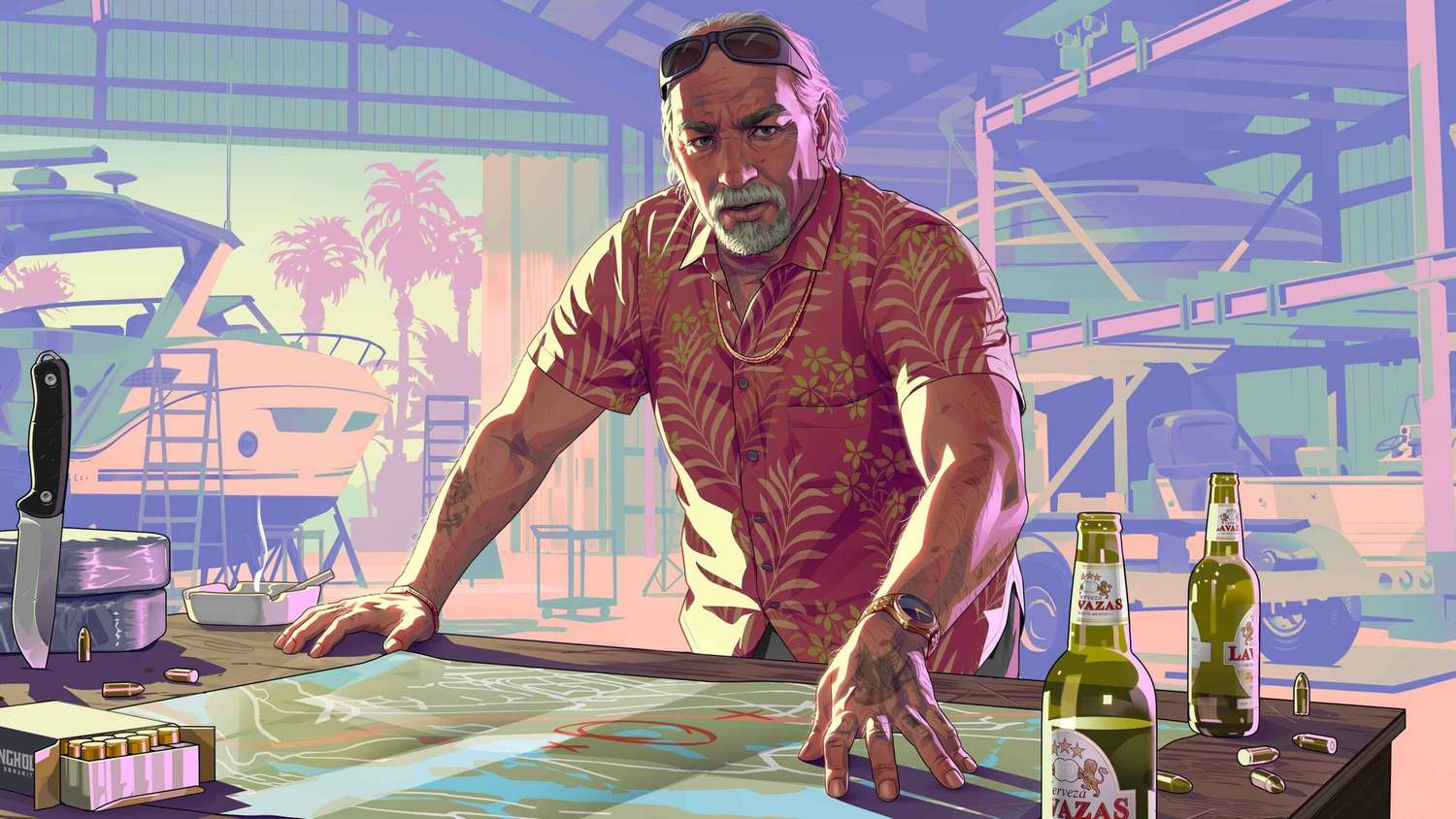 In a move that has sent shockwaves across the video game industry, Rockstar Games, the developer behind the highly anticipated Grand Theft Auto VI (GTA 6), has reportedly fired dozens of staff members. The dismissals, which occurred across its UK and Canadian offices, have ignited a fierce dispute between the gaming giant’s parent company and a prominent trade union, placing the spotlight squarely on developer working conditions and labor rights just months before a crucial launch period.
The incident, widely reported in the press, highlights the growing tension between corporate objectives and employee organizing efforts within the multi-billion dollar gaming sector. As the industry eagerly awaits the next iteration of the seminal open-world franchise, this internal conflict raises serious questions about the stability and morale of the teams tasked with bringing one of the most expensive and ambitious projects in entertainment history to fruition.
The Firing Controversy: Union Allegations vs. Corporate Defense
The core of the controversy lies in two dramatically opposing narratives regarding the reasons for the staff reductions. According to the Independent Workers’ Union of Great Britain (IWGB), which has been actively involved in organizing efforts at Rockstar, the firings constitute a “blatant and ruthless act of union busting.”
The IWGB claims that between 30 and 40 individuals were terminated, all of whom were allegedly involved in a private online group discussing trade union activities and collective organization. Alex Marshall, President of the IWGB, issued a strong condemnation, arguing that the dismissals were unlawful and retaliatory, directly targeting workers attempting to secure better employment conditions.
The union emphasized the severe human cost of these actions, particularly noting that:
- Employees on company-sponsored visas were among those dismissed, immediately jeopardizing their residency status.
- Workers with medical conditions face the loss of essential workplace healthcare schemes.
- The company showed “flagrant contempt for the law” regarding protected union activity.
Conversely, Take-Two Interactive, the parent company of Rockstar Games, has categorically denied the union-busting allegations. A spokesperson for Take-Two stated firmly that the dismissals were made “for gross misconduct, and for no other reason.” They declined to offer specific details about the nature of the alleged misconduct, citing confidentiality. This corporate stance frames the event as a disciplinary measure unrelated to any organizing efforts, creating a legal and public relations battleground over the true motivations behind the terminations.
The timing of these events, mere months ahead of a potential development milestone, only serves to amplify scrutiny. Industry analysts and employee advocates suggest the incident underscores a persistent systemic issue where job security is tenuous, even at studios enjoying unparalleled financial success.
Impact on GTA 6 Release Date and Development
Any disruption at Rockstar Games is immediately scrutinized for its potential effect on the Grand Theft Auto VI Development timeline. With the official GTA 6 Release Date still unconfirmed but widely speculated to be around May 26, 2026, the loss of dozens of developers—especially those in critical roles like quality assurance (QA) and support—could impact the final stages of production.
The studio has been on high alert regarding security since the massive data leak in 2022, which saw significant unfinished footage of the game appear online. This previous breach led to a heightened focus on internal security protocols. Earlier this year, Rockstar mandated a five-day-a-week return-to-office (RTO) policy for all staff, citing “productivity and security reasons” as the driving force. This policy change was met with significant resistance from staff, who argued it negatively affected their work-life balance and ignored the benefits of flexible working arrangements.
 While the company claims the current firings are unrelated to the RTO policy or development progress, the narrative of tightening corporate control and high-pressure work environments is difficult to ignore. The sudden termination of staff, particularly those working on complex, intertwined projects, inevitably slows momentum. Developers often require institutional knowledge and specific project context, making the abrupt replacement of key personnel a significant risk for any project in its final stretch.
The financial stakes for Take-Two Interactive are enormous, with GTA 6 projected to be one of the best-selling games of all time. This immense pressure often translates directly into demanding work schedules and strict adherence to corporate policies, creating a breeding ground for disputes over worker autonomy and rights.
The Broader Context: Gaming Industry Layoffs and Labor Rights
This incident at Rockstar Games is not an isolated event but part of a wider, disconcerting trend of Video Game Industry Layoffs that has defined the sector over the past two years. Despite generating record profits, major publishers—including Microsoft, Sony, Epic Games, and Electronic Arts—have collectively cut thousands of jobs.
The underlying issues often cited include:
- Post-Pandemic Restructuring: A correction following a period of over-hiring during the COVID-19 lockdown boom.
- Aggressive Cost-Cutting Measures: Driven by investor demands to enhance profitability and margins.
- Game Cancellations: The elimination of non-performing or delayed projects, leading to departmental closures.
Take-Two Interactive itself engaged in a company-wide cost-reduction strategy in April 2024, which involved laying off approximately 5% of its entire workforce and canceling several in-development titles. While those cuts were broader, the targeted nature of the recent Rockstar dismissals—coinciding with union organizing efforts—has drawn particular ire from labor groups who view it as a calculated attempt to preempt collective bargaining and solidify managerial control.
The struggle for unionization in the gaming industry is a direct response to the infamous Developer Crunch Culture, where excessive mandatory overtime is often the norm in the months leading up to a game’s release. Workers are seeking protections against burnout, inadequate compensation, and a fundamental right to a voice in their working conditions. The Rockstar situation serves as a stark reminder of the challenges workers face when attempting to organize against highly resourced corporations.
Financial and Investment Outlook: Take-Two Interactive Stock (TTWO)
For investors and financial analysts, the internal turmoil at Rockstar Games and its potential implications for the GTA 6 launch are paramount. Take-Two Interactive Stock (TTWO) performance is heavily tied to the success and timely release of its flagship title. Any news suggesting delays or developmental issues can lead to market volatility.
While the immediate financial impact of the firings may be minimal in terms of severance costs, the long-term risk to the brand’s reputation and developer morale is a crucial consideration. A successful union could potentially increase operational costs, but a high-profile legal battle over unlawful dismissal or union suppression could result in significantly greater financial penalties and long-lasting PR damage.
Analysts are closely monitoring the company’s statements, with many viewing the incident through the lens of maximizing shareholder value. The push for maximum efficiency and security, as evidenced by the strict RTO policy, can be interpreted as a strategic move to ensure the GTA 6 revenue stream is secured without interference. However, this aggressive approach may ultimately prove counterproductive if it alienates the talent pool essential for future AAA Game Development.
The ongoing legal and industrial dispute will likely influence investor confidence in the company’s ability to manage its labor force effectively as it enters the final, most strenuous stage of Grand Theft Auto VI Development.
 The Future of Rockstar Games and Developer Relations
 The Future of Rockstar Games and Developer Relations
The controversy surrounding the firings at Rockstar Games marks a pivotal moment in the ongoing labor narrative within the gaming industry. The outcome of the IWGB’s pledged legal action—fighting for the reinstatement of its members and interim relief—will set a significant precedent for worker rights, particularly in the UK, a major hub for global game development.
For Rockstar, a studio known for its demanding yet highly successful creative culture, managing internal relations and public perception is now more critical than ever. The success of GTA 6 will be measured not only by its sales figures but also by the human cost of its creation. The industry is watching to see if the pursuit of one of the greatest Next-Gen Open-World Games comes at the expense of its workforce.
Ultimately, this incident serves as a powerful review of the precarious nature of employment within the high-stakes, high-reward world of immersive gaming experiences, reinforcing the need for sustainable and equitable labor practices across the entire sector.
The gaming community, which has long been passionate about the output of Rockstar Games, now finds itself engaging with a much more serious conversation about the people who create the worlds they love.