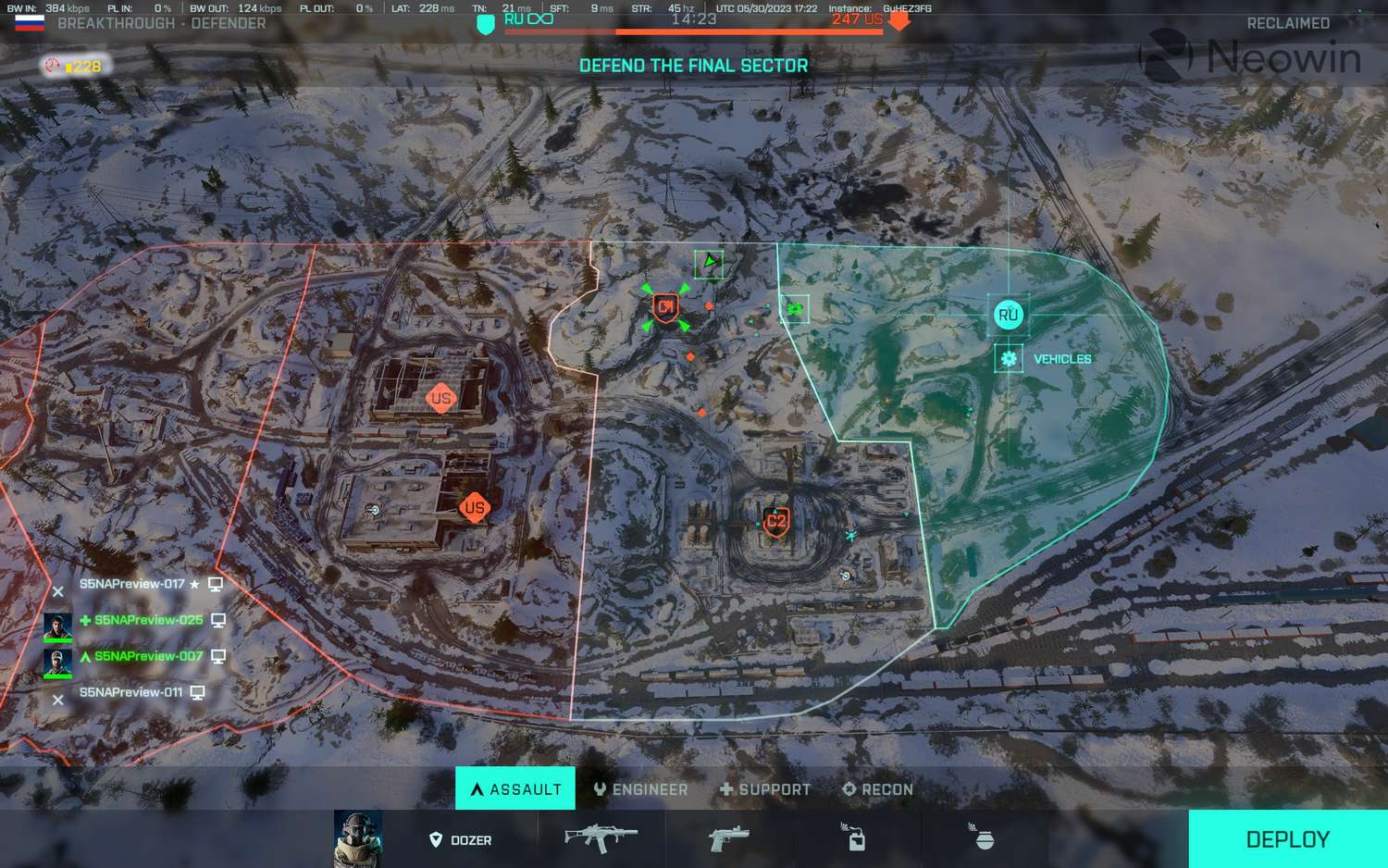
Battlefield 2042’s Map Design Under Scrutiny: Are Its Worlds Too Confined for Grand Warfare?









Popular Now
PUBG Mobile
 Garena Free Fire: Kalahari
Genshin Impact
Garena Free Fire: Kalahari
Genshin Impact
 NBA 2K24
 Minecraft
 God of War Ragnarök
 League of Legends
Gacha Club
League of Legends
Gacha Club
 Call of Duty
 Free Fire
 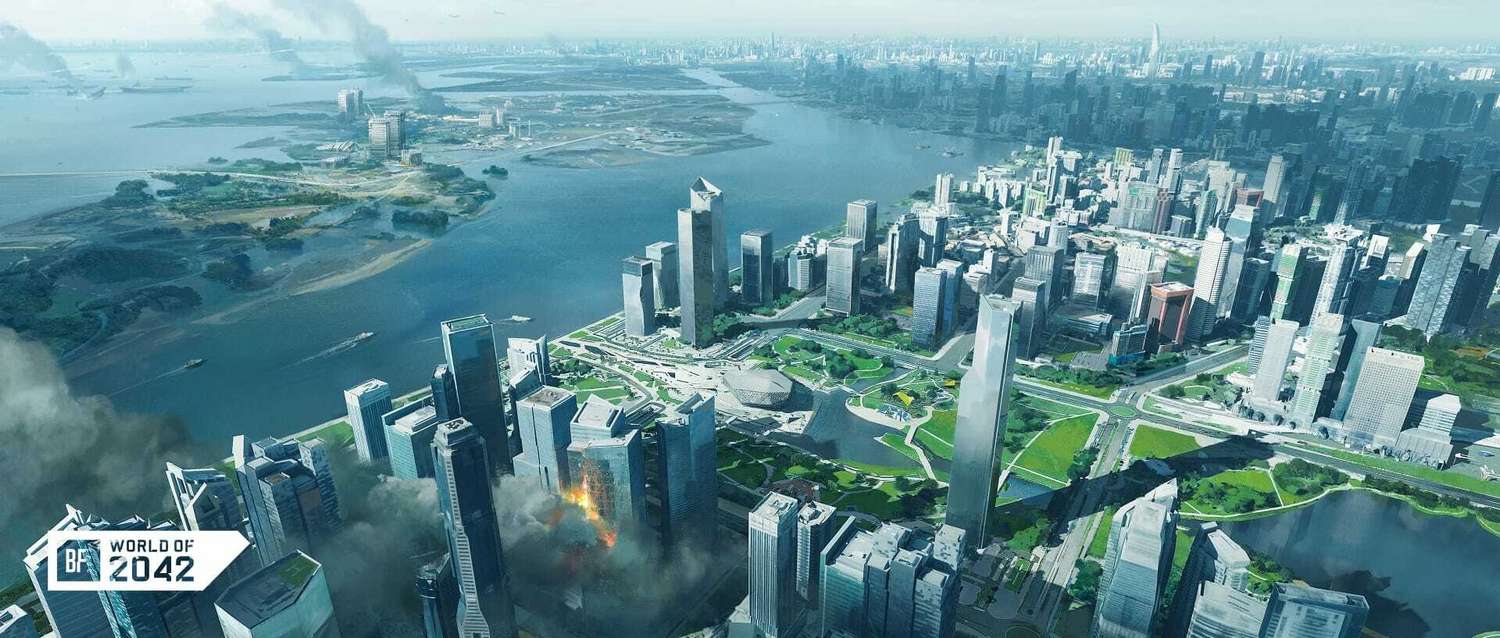 When Electronic Arts and DICE unveiled what was largely anticipated as ‘Battlefield 6,’ later officially named Battlefield 2042, the gaming community buzzed with expectations. The franchise, renowned for its colossal battles and sprawling, destructible environments, had set a high bar. However, post-launch, a recurring critique emerged, focusing sharply on the game’s map design. Contrary to the series’ legacy of expansive battlegrounds, many players and critics felt that Battlefield 2042’s maps, despite their physical size in some instances, delivered an experience that felt surprisingly constrained and, at times, acutely small.
The Legacy of Grandeur vs. Present Realities
Historically, Battlefield titles like Bad Company 2, Battlefield 3, and Battlefield 4 were celebrated for their meticulously crafted maps that seamlessly blended infantry combat, vehicle warfare, and environmental destruction. These maps offered multiple engagement opportunities, strategic choke points, and a sense of dynamic, evolving conflict. The very DNA of Battlefield was intertwined with the concept of vast, open arenas facilitating up to 64 or even 128 players, allowing for epic moments of large-scale warfare. Players expected to deploy, assess the terrain, and engage in tactical maneuvers across considerable distances.
Battlefield 2042, on the other hand, arrived with promises of even larger player counts (128 players on PC and next-gen consoles) and maps designed to accommodate this scale. Yet, initial player feedback quickly highlighted a disconnect between the maps’ physical dimensions and their functional playability. Maps like ‘Hourglass,’ ‘Breakaway,’ and ‘Manifest’ are undeniably vast in certain areas, but critics argue that much of this space is often empty, devoid of cover, or poorly structured for engaging gameplay.
The Illusion of Space: Verticality and Openness
A significant part of the problem lies in how these maps utilize their given space. Many areas feature wide-open stretches that heavily favor vehicles, particularly long-range snipers or tanks, leaving infantry vulnerable with minimal cover. This design often funnels players into predictable chokepoints, negating the strategic freedom traditionally associated with the franchise. Furthermore, the implementation of verticality, while present, often feels underutilized or poorly integrated, failing to create diverse engagement zones. For a game promoting ‘All-Out Warfare,’ the tactical options for ground troops often feel surprisingly limited.
Key Issues Identified by the Community:
- Lack of Cover: Expansive, open areas leave infantry exposed, leading to frustrating deaths from long-range threats.
- Poor Flow and Pacing: Players often spend considerable time traversing empty spaces, disrupting the game’s pacing and intensity.
- Chokepoint Over-reliance: Despite large map sizes, key objectives and pathways often devolve into predictable, often unbalanced, chokepoints.
- Vehicle Dominance: The lack of infantry protection and cover allows vehicles to exert disproportionate control over large sectors, often leading to one-sided engagements.
- Environmental Destruction: While present, the level of dynamic destruction feels less impactful than in previous installments, diminishing a core Battlefield mechanic.
 Impact on Gameplay Experience and Player Engagement
 Impact on Gameplay Experience and Player Engagement
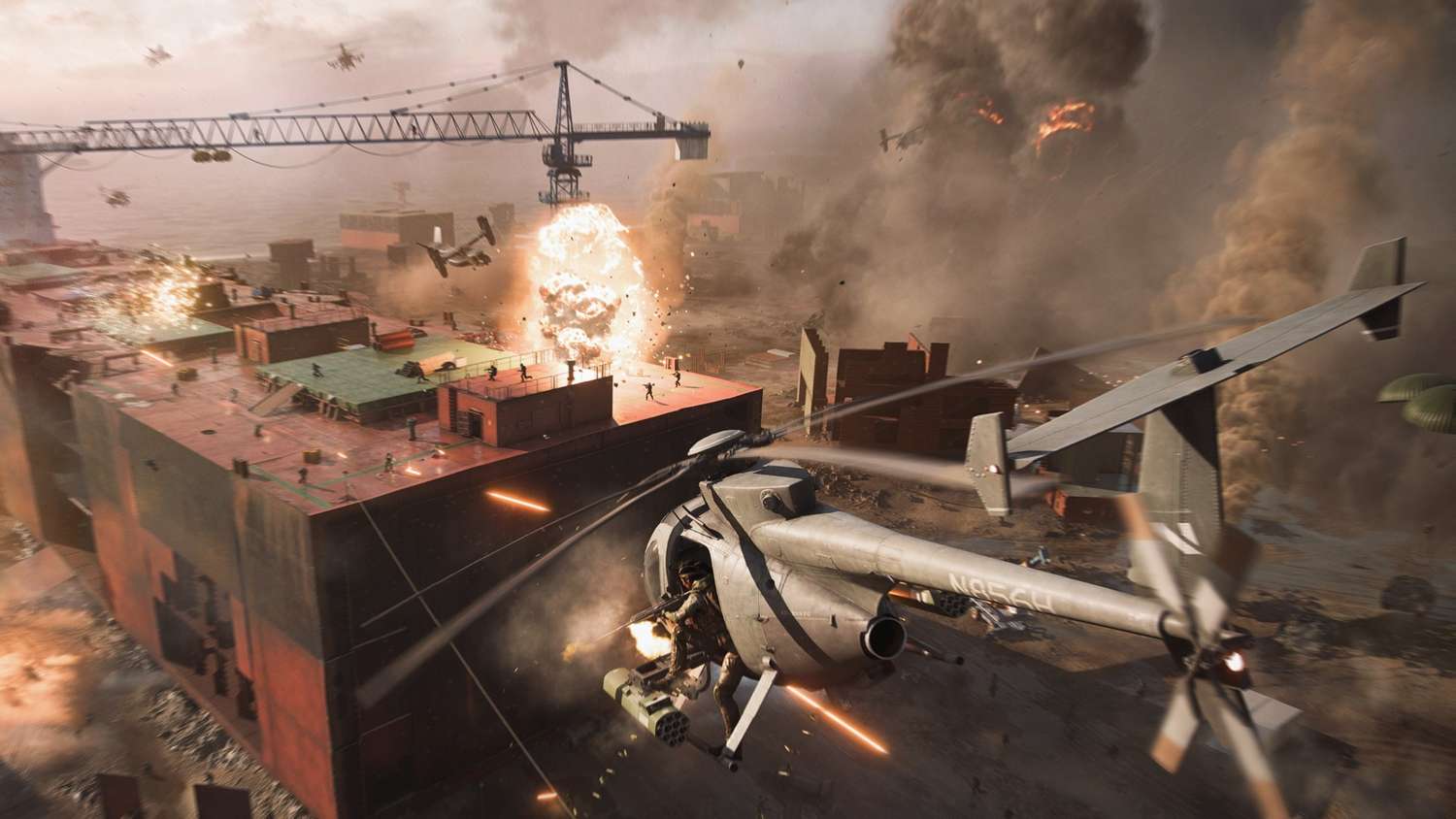
The perceived shortcomings in map design have had a tangible impact on the overall gameplay experience. For a flagship multiplayer FPS title, effective map design is paramount for sustained player engagement. When maps feel like they don’t cater to diverse playstyles or promote meaningful tactical decisions, the long-term appeal wanes. Many players have expressed frustration over the inability to flank effectively, the repetitive nature of engagements, and the sensation of being forced into narrow corridors despite the vastness of the digital world around them. This has led to a noticeable decline in player retention and often appears in various game reviews and performance analyses of the title.
DICE has acknowledged community feedback, implementing several map reworks and updates, such as the redesigns for ‘Kaleidoscope’ and ‘Renewal.’ These efforts aim to introduce more cover, adjust objective layouts, and improve overall flow, indicating a clear understanding of the initial design flaws. However, the path to fully rehabilitating the map roster for a truly ‘Battlefield-like’ experience remains an ongoing challenge. High-CPC keywords related to ‘gaming hardware’ and ‘next-gen gaming’ often tie into the expectation that modern titles will leverage powerful systems for immersive and expansive worlds, making these map critiques particularly resonant.
The Future of Battlefield Map Design
The discourse surrounding Battlefield 2042’s maps serves as a critical case study for the development of future large-scale multiplayer shooters. It underscores the idea that sheer size does not equate to engaging design. Instead, effective map architecture requires a nuanced understanding of player movement, combat dynamics, objective placement, and the delicate balance between infantry and vehicular combat, especially when dealing with high player counts. The lessons learned from this iteration will undoubtedly influence subsequent titles in the Battlefield franchise and potentially the broader AAA shooter genre.
For many veteran players, the hope is that future Battlefield installments will return to the series’ roots of meticulously crafted, expansive maps that offer genuine strategic depth rather than just broad vistas. The pursuit of an optimal ‘Battlefield experience’ hinges not just on technological advancements or higher player counts, but fundamentally on the intelligent and player-centric design of its battlegrounds. Ultimately, while Battlefield 2042 might not have ‘small’ maps in terms of physical area, the prevailing sentiment is that its maps often *feel* small and restrictive in terms of meaningful gameplay opportunities, a crucial distinction that has shaped its reception within the competitive gaming landscape.