
Sword of Justice Review: Does This Wuxia MMORPG Deliver on Its Grand Promise?










Popular Now
 FIFA 23
 Schedule I
NBA 2K24
Schedule I
NBA 2K24
 Free Fire
 Sonic the Hedgehog™ Classic
Fall Guys
Sonic the Hedgehog™ Classic
Fall Guys
 Black Myth: Wukong
Garena Free Fire: Kalahari
Black Myth: Wukong
Garena Free Fire: Kalahari
 Warframe
 R.E.P.O
 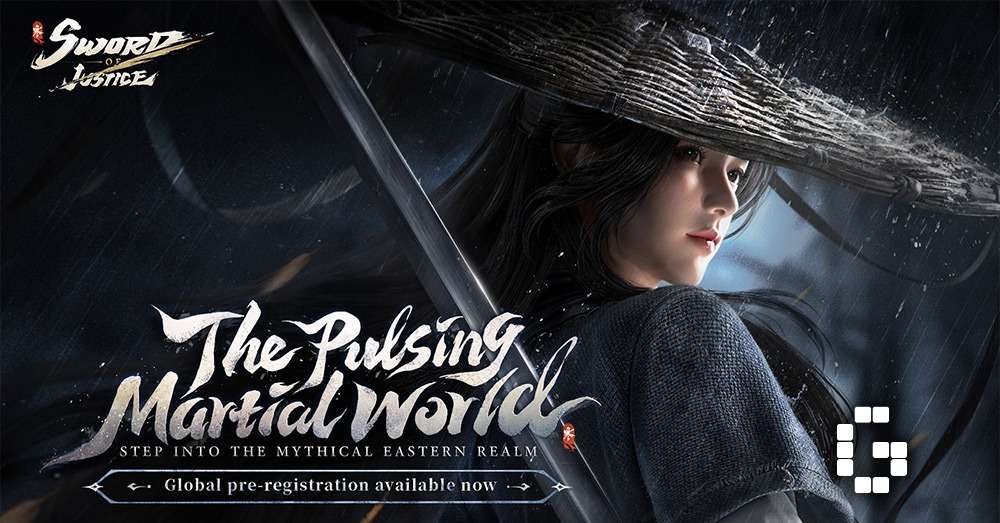 The gaming world has been abuzz with fervent anticipation for Sword of Justice, a groundbreaking new Wuxia-themed MMORPG poised to redefine the genre. In a landscape saturated with fantasy and sci-fi titles, Sword of Justice carves a distinct niche, promising an immersive dive into the intricate world of Chinese martial arts, heroic sagas, and breathtaking landscapes. This article offers an in-depth analytical review, exploring the game’s core mechanics, thematic execution, and overall potential to captivate both seasoned MMORPG veterans and newcomers alike. As one of the most talked-about new PC games, its ability to deliver on its ambitious vision is under intense scrutiny from the global gaming community.
The Heart of Combat: Fluidity and Strategic Depth
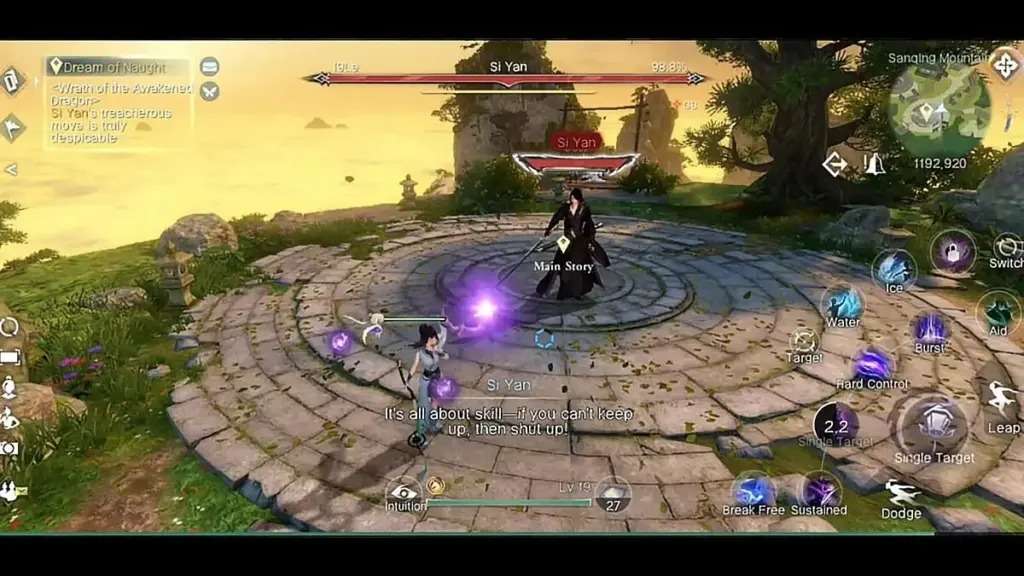
At the core of any successful MMORPG lies its combat system, and Sword of Justice aims for both visual spectacle and strategic depth. Early impressions from beta tests and developer showcases highlight a combat paradigm that emphasizes timing, positioning, and skill synergy. Players are not merely mashing buttons; rather, they engage in a dance of martial arts, chaining abilities seamlessly to unleash devastating combos. The variety of character customization options extends to combat styles, with each class offering distinct approaches:
- Martial Artist: Specializing in rapid, close-quarters combat and acrobatic maneuvers.
- Mystic Sage: Wielding elemental powers and supportive abilities, crucial for group dynamics.
- Blade Master: A master of traditional Wuxia weaponry, delivering powerful, precise strikes.
- Shadow Stalker: Focusing on stealth, deception, and critical strikes from the shadows.
Each class feels distinct, encouraging players to master their chosen path while understanding the strengths and weaknesses of their allies. The animations are fluid, embodying the grace and power expected from a true Wuxia title. The sound design accompanying each strike and parry further enhances the visceral impact, making every encounter feel significant. This level of detail in game mechanics is vital for long-term engagement and elevates the overall gameplay experience.
 A World Brought to Life: Graphics, Art Style, and Exploration
 A World Brought to Life: Graphics, Art Style, and Exploration
Visually, Sword of Justice is a stunning achievement. Leveraging a sophisticated engine, the game presents a world that is both vast and meticulously detailed. From the tranquil bamboo forests and mist-shrouded mountains to bustling imperial cities and ancient, decaying temples, every environment feels handcrafted and alive. The art direction beautifully captures the aesthetic essence of traditional Wuxia, avoiding generic fantasy tropes in favor of authentic cultural representations. The character models are equally impressive, showcasing intricate armor designs, flowing robes, and expressive facial animations. This commitment to high-fidelity graphics quality is a significant selling point in the competitive online gaming revenue market.
Exploration in Sword of Justice is designed to be an adventure in itself. The open world MMORPG encourages players to venture off the beaten path, discovering hidden quests, rare resources, and challenging world bosses. Traversal methods include various forms of light-foot kung fu, allowing players to scale walls, glide across chasms, and sprint with superhuman speed. This mechanic not only makes exploration enjoyable but also integrates seamlessly with the Wuxia theme, allowing players to truly embody a martial arts master. The sheer scale and beauty of the world contribute significantly to the game’s potential for immersion.
Narrative and Lore: Weaving a Heroic Tapestry
Beyond its dazzling visuals and engaging combat, Sword of Justice promises a rich narrative steeped in Wuxia lore. Players are thrust into a world on the brink of chaos, where ancient prophecies, warring factions, and personal vendettas intertwine. The main story quests are voiced and present morally ambiguous choices, ensuring that players feel the weight of their decisions. Side quests are not mere fetch tasks but often mini-narratives that expand upon the game’s extensive lore, introducing memorable characters and uncovering hidden aspects of the world. This focus on a compelling story is a crucial element for any successful fantasy RPG.
The game’s developers have clearly invested heavily in creating a believable and dynamic world. The faction system allows players to align with different schools of martial arts or political powers, influencing their journey and providing unique questlines and rewards. This dynamic approach to storytelling ensures that multiple playthroughs or even character progression offer fresh perspectives, enriching the overall MMORPG review experience.
 PvP and PvE: Content for Every Warrior
 PvP and PvE: Content for Every Warrior
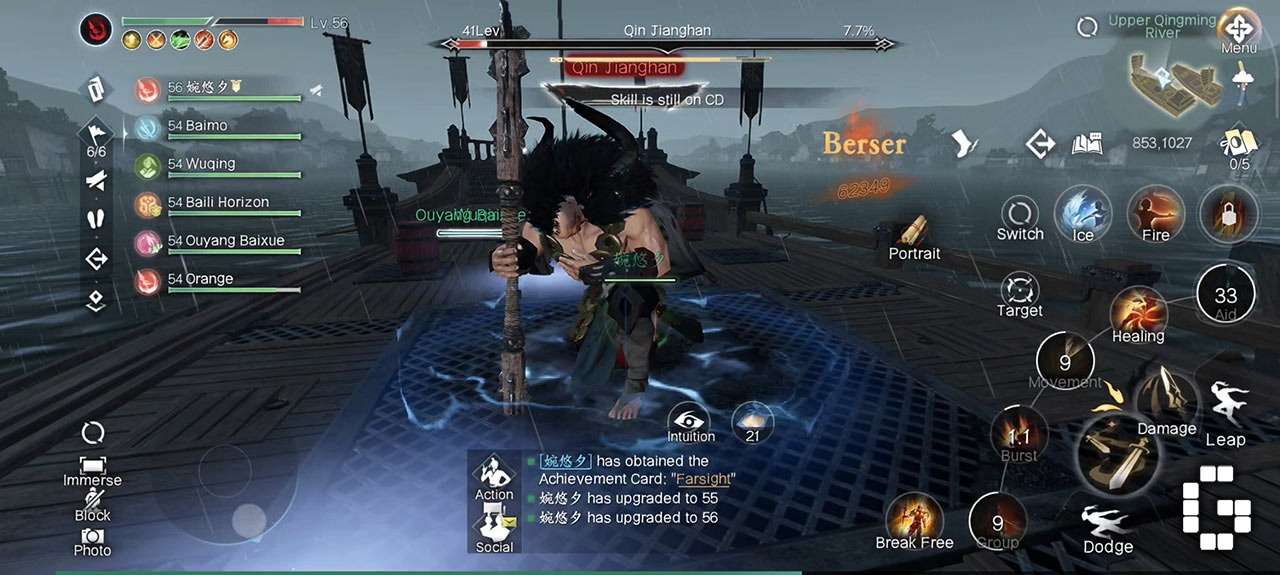
Sword of Justice aims to cater to both player-versus-environment (PvE) and player-versus-player (PvP) enthusiasts, offering a robust suite of activities for all playstyles. For PvE, players can delve into challenging dungeons, intricate raids requiring coordinated team play, and epic world boss encounters that demand the participation of entire guilds. These encounters are not just about raw damage; they often incorporate unique mechanics and environmental puzzles, pushing players to think strategically.
On the PvP front, the game offers a variety of modes to test martial prowess:
- Arena Battles: Structured 1v1, 3v3, and 5v5 skirmishes for competitive players.
- Faction Warfare: Large-scale open-world PvP events where rival schools clash for control of strategic territories.
- Guild vs. Guild Sieges: Epic battles for fortresses and resources, emphasizing coordinated tactical gameplay.
The balanced approach to PvP content and PvE content ensures that players always have meaningful activities to pursue, contributing to a vibrant and active gaming community. The potential for esports potential is also significant, particularly with the structured arena modes, promising high-stakes competition and viewership.
The Endgame and Monetization: Sustaining the Journey
A critical aspect of any Massively Multiplayer Online Role-Playing Game is its endgame content, and Sword of Justice appears to have a comprehensive plan. Beyond the main story, players can look forward to continuous content updates, including new zones, dungeons, raids, and PvP seasons. A robust crafting system allows players to gather resources, forge powerful equipment, and customize their gear with unique enchantments, offering a path for progression outside of combat. The focus on sustained endgame content is crucial for retaining players and building a lasting community.
Regarding monetization, the developers have indicated a commitment to a fair and player-friendly model. While specific details are still emerging, the general sentiment points towards a free-to-play MMORPG model supported by cosmetic items and quality-of-life improvements in a transparent cash shop. The emphasis is on avoiding