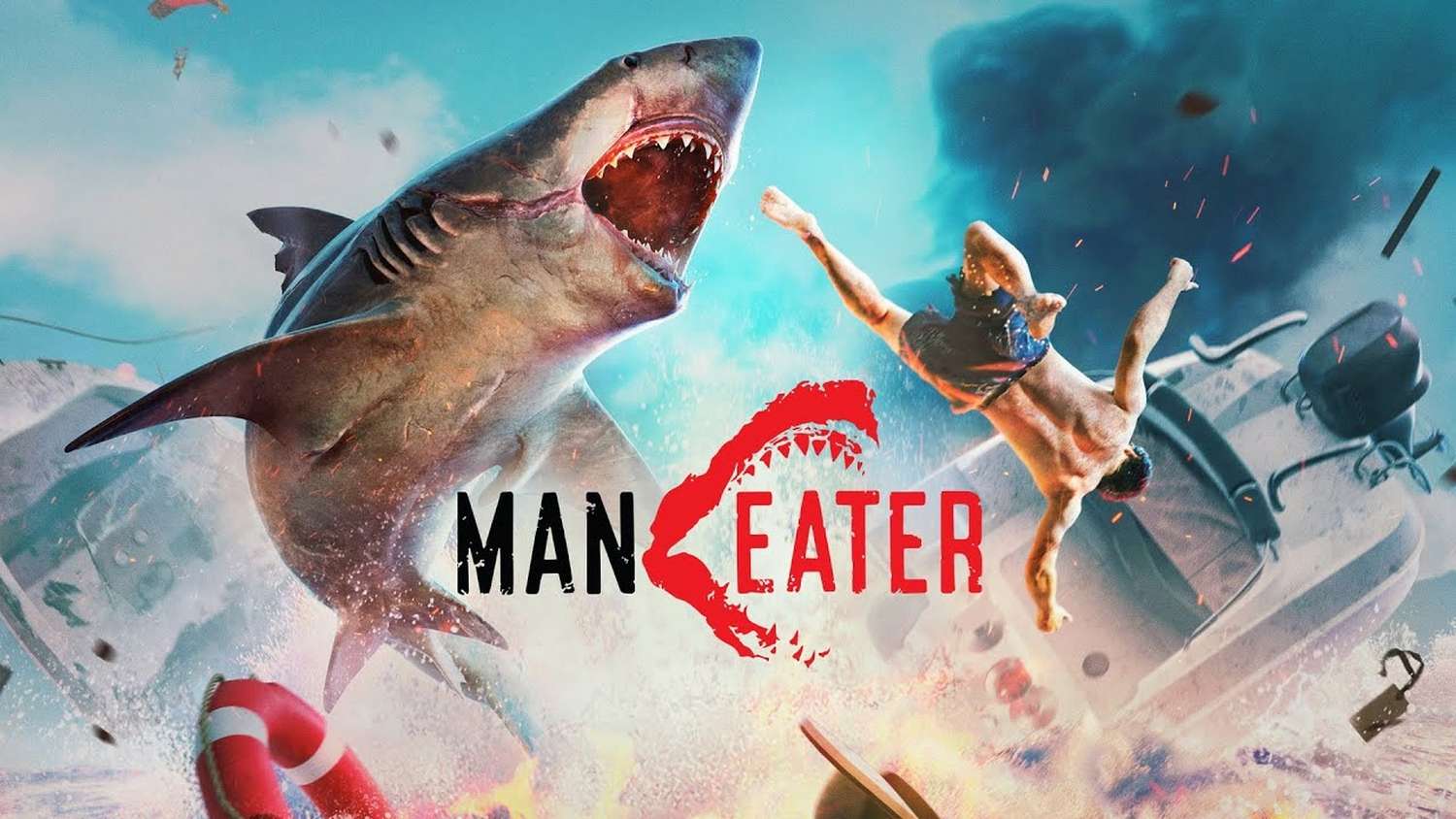
Maneater Review: Devour, Evolve, Dominate in the Definitive Apex Predator RPG Experience










Popular Now
 Fortnite
 PUBG Mobile
 NBA 2K24
 Roblox
 BeamNG.drive
 Warframe
 Candy Crush Saga
Call of Duty
Candy Crush Saga
Call of Duty
 Counter-Strike 2
Fall Guys
Counter-Strike 2
Fall Guys 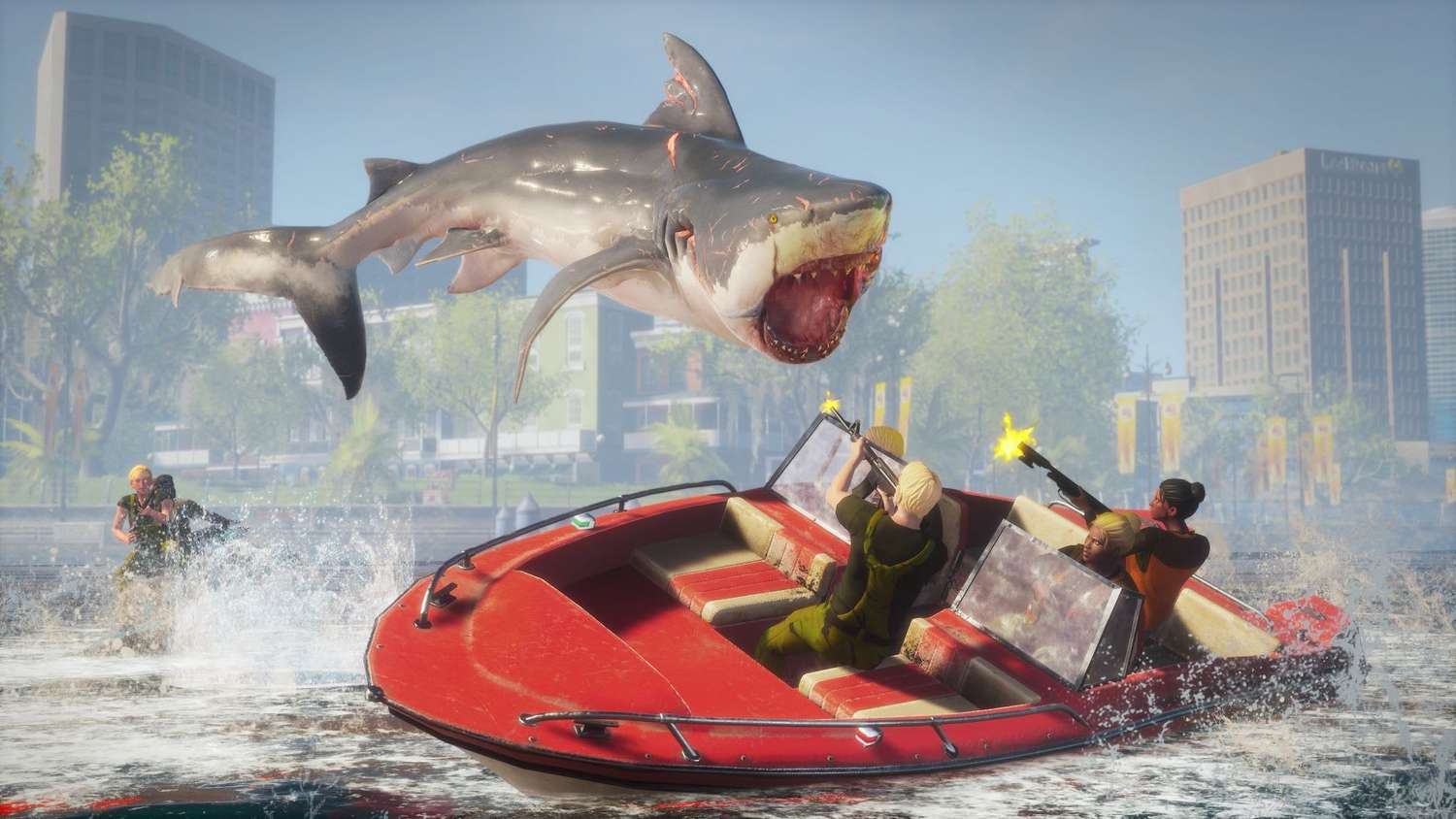 Since its launch, Maneater—the unique, single-player, open-world Action RPG (or ShaRkPG, as its developers affectionately call it)—has carved out a bloody, distinct niche in the gaming landscape. Developed by Tripwire Interactive, this title is far more than a simple novelty; it is a meticulously crafted revenge fantasy that expertly blends the chaotic fun of a sandbox game with a surprisingly deep evolutionary progression system. Playing as a bull shark hellbent on vengeance against the obsessive Cajun fisherman, Scaly Pete, the player is thrust into a sprawling, satirical recreation of the Gulf Coast waterways, tasked with one simple, brutal objective: Eat, Evolve, and Dominate. This core loop is the game’s undeniable strength, transforming the act of mindless destruction into a meaningful journey of biological ascension, making it a powerful case study in niche RPG development and unique gameplay mechanics.
The game’s presentation, framed as a low-budget, reality TV docuseries featuring the darkly humorous narration of Chris Parnell (of Rick & Morty and Archer fame), provides a constant stream of satirical commentary. This not only adds a layer of much-needed humor to the constant cycle of consumption but also satirizes modern culture’s fascination with sensationalized wildlife and reality television. This element of meta-narration and environmental storytelling is key to maintaining engagement through the more repetitive phases of the open-world experience.
Keywords Focus: Maneater ShaRkPG review, shark evolution RPG, definitive apex predator game, Tripwire Interactive gameplay, open-world chaos mechanics, evolutionary progression system, Scaly Pete revenge story, satiric game narration.
The Core Loop: Eat, Level Up, and Transform
At its heart, Maneater is a classic RPG disguised in a coat of sharp teeth and salt water. The progression from a vulnerable pup to a massive Mega Shark is dictated by a simple, compelling, and often chaotic loop that drives the player forward.
1. Devour: The Nutrient Economy
Eating is the primary mechanic and the sole source of progression. The world of Port Clovis is filled with various life forms, each yielding different types of Nutrients: Proteins, Fats, Minerals, and Rare Mutagenics. This system effectively replaces the traditional Experience Point (XP) grind with a visceral, satisfying consumption model.
- Resource Management: Each nutrient type is vital for specific upgrades. Proteins are often used for physical mutations (like bone density), while Mutagenics are essential for specialized, elemental evolutions (like bio-electricity). This system encourages dietary diversification—you can’t just eat fish; you need to target seals, turtles, and, critically, humans and other predators to balance your nutrient reserves.
- The Growth Cycle: By consuming enough nutrients and completing main story objectives, the shark progresses through five stages: Pup, Teen, Adult, Elder, and Mega. Each stage unlocks new abilities (like the powerful Tail Whip) and significantly increases the shark’s size, physically gate-keeping new areas (via destructible barriers) and larger, deadlier prey. This gated progression provides a tangible sense of growth and power fantasy.
2. Evolve: The Mutation System
The evolutionary progression is where Maneater firmly establishes its RPG credentials, moving beyond reality and into the realm of the absurd. The shark can equip five distinct sets of evolutionary parts (Jaws, Head, Fins, Body, Tail, and three internal Organs), functioning as literal weapon and armor slots.
- Customization and Specialization: Players can mix and match parts from three major evolution sets: Bone, Bio-Electric, and Shadow (or Atomic via the Truth Quest DLC).
- Bone Set: Focuses on pure damage resistance and increased raw damage output, turning the shark into a durable, aquatic tank.
- Bio-Electric Set: Specializes in stunning enemies and electrical damage, making it ideal for controlling large packs of prey or disrupting fast-moving boats.
- Shadow Set: Rewards stealth and grants the ability to regain health on successful bites, prioritizing rapid attacks and sustain.
- Strategic Depth: The ability to upgrade these parts using collected nutrients adds a constant sense of character optimization. Equipping the correct set for a specific Apex Predator boss fight (e.g., using Bone armor against the powerful Alligator) adds a necessary layer of tactical preparation to the otherwise simple combat mechanics.
The Open World: Chaos and Repetition
The open world of Port Clovis, divided into eight distinct regions (from murky bayous to industrial ports and pristine tourist beaches), is geographically diverse and visually appealing. However, the core gameplay loop, while initially thrilling, faces the inevitable challenge of open-world repetition.
 1. Human Hunters and the Infamy System
 1. Human Hunters and the Infamy System
The game’s most engaging combat occurs on the surface. When the player attacks and consumes enough humans, a Threat Meter fills, mimicking the “Wanted” system from games like Grand Theft Auto. This triggers waves of increasingly aggressive human bounty hunters.
- The Hunter Boss Fights: Defeating the ten named hunters who lead these waves is a highlight. Each hunter (e.g., Scaly Pete’s crew) acts as a mini-boss, often piloting specialized, heavily-armed vessels. Eliminating them grants significant rewards, including powerful new organ upgrades and increased Infamy Level—the key to the game’s most powerful evolution sets. These fights are exhilarating, requiring the shark to strategically leap from the water to attack the squishy humans directly or destroy the heavily armored boat.
- The Chaos Factor: Launching onto land to devour a careless golfer or breaching to snatch a jet-skier never truly loses its appeal. This raw, unapologetic chaos is the ultimate realization of the shark fantasy.
2. The Repetitive Checklist
The primary criticism leveled against Maneater is its reliance on a strict checklist structure. Main quests often boil down to “Eat X of Y” or “Destroy Z Target,” which, despite the humorous narration, can feel like mindless grinding, particularly in the mid-game Teen stage where the shark is still vulnerable and under-leveled.
- Collectibles and Landmarks: The exploration aspect, featuring hidden caches of nutrients and Landmarks (often satirical pop-culture references, like the Arrested Development banana stand), offers a brief respite. However, these are fundamentally side-objectives that serve the main grind of evolution rather than expanding the core gameplay mechanics.
The Legacy and DLC: Truth Quest
The game’s narrative concludes with a predictable but satisfying final confrontation with Scaly Pete, bringing the revenge tale to a dramatic close. However, the post-launch Truth Quest DLC was released to extend the experience and address some of the repetition criticisms.
- Truth Quest Expansion: The DLC added a new region, increased the level cap, and introduced the Atomic evolution set, which notably allows the shark to shoot laser beams—leaning fully into the game’s absurd, B-movie sensibilities. The new missions revolve around conspiracy theories (narrated by a now “ViewTube” host Trip Westhaven) and culminate in a spectacular Kaiju-style boss fight against an Atomic Leviathan.
- Verdict on DLC: While Truth Quest offered more content and a truly spectacular final boss, it largely kept the core, repetitive quest structure intact. It is considered a must-buy for fans who simply want more of the core ShaRkPG experience, but it doesn’t fundamentally solve the underlying issues of mechanical simplicity.
Final Verdict: A Fun, Frivolous, and Flawed Apex Predator Fantasy
Maneater is a game that knows exactly what it is and doesn’t pretend to be anything more. It successfully delivers on the ultimate, absurd fantasy of becoming a giant, mutated shark—an apex predator capable of single-handedly destroying a bustling coastal ecosystem. The evolutionary progression system is brilliant, providing a constant, tangible sense of power growth and rewarding the player’s investment with visually stunning and mechanically diverse customizations.
While the repetitive quest design and sometimes clunky lock-on combat system prevent it from achieving true RPG greatness, the game’s high points—the chaotic hunter battles, the unique evolutionary paths, and the genuinely funny narration by Chris Parnell—make it an unforgettable experience. Maneater is a relatively short, satisfying palate cleanser in the world of sprawling, serious open-world titles, perfect for those seeking a mindless, bloody bout of fun and a chance to truly eat the rich.
If you’re looking for the definitive, over-the-top, revenge-driven Apex Predator RPG, Maneater is the one and only game of its kind that truly sinks its teeth in.