
Death Stranding 2’s Exoskeleton: From Digital Dream to Real-World Prototype – Unpacking the Cost of Future Tech










Popular Now
Black Myth: Wukong
 Genshin Impact
 Sonic the Hedgehog™ Classic
 BeamNG.drive
 Gacha Club
Among Us
Gacha Club
Among Us
 Rust
Rust
 Poppy Playtime
 Geometry Dash
 FIFA 23
  Hideo Kojima’s highly anticipated sequel, Death Stranding 2: On The Beach, is once again blurring the lines between science fiction and tangible innovation. Among the myriad of intriguing elements showcased in its trailers, the game’s advanced exoskeleton technology has sparked considerable discussion, not least because of its uncanny resemblance to burgeoning real-world applications. While the prospect of donning a sophisticated mobility and cargo-carrying suit à la Sam Porter Bridges remains firmly in the realm of interactive entertainment, the foundational concepts underpinning this digital marvel are progressively manifesting in cutting-edge research and development. This raises a crucial question: if Death Stranding 2’s exoskeleton were to become a mainstream reality, what would be the prohibitive cost of such revolutionary human augmentation technology?
The Vision of Death Stranding 2: A Glimpse into Tomorrow’s Wearable Robotics
Kojima Productions has consistently pushed the boundaries of narrative and gameplay, often integrating speculative technologies that feel eerily prescient. In the Death Stranding universe, exoskeletons are not merely aesthetic additions; they are fundamental tools for survival and utility in a fragmented world. These wearable devices provide enhanced strength, stamina, and stability, crucial for traversing treacherous terrains and transporting heavy loads across the Chiral Network. The in-game models depict sleek, powerful, and intuitive systems that seamlessly integrate with the wearer, transforming them into more efficient operatives. From the initial ‘Speed Skeleton’ to the heavy-duty ‘Power Skeleton,’ these devices are central to the game’s mechanics, offering players a tangible sense of technological empowerment.
What makes DS2’s exoskeleton particularly compelling is its visual and functional fidelity, which echoes advancements in contemporary wearable robotics. The fluid motion, the dynamic response to terrain, and the seemingly effortless augmentation of human capabilities all point towards a future where such technology could revolutionize various sectors.
Real-World Exoskeletons: Beyond Science Fiction
The notion of powered exoskeletons is far from new, existing in conceptual designs for decades. However, recent breakthroughs in materials science, battery technology, sensor integration, and artificial intelligence (AI) have propelled these devices from theoretical constructs to functional prototypes. Today, real-world exoskeletons primarily fall into three categories: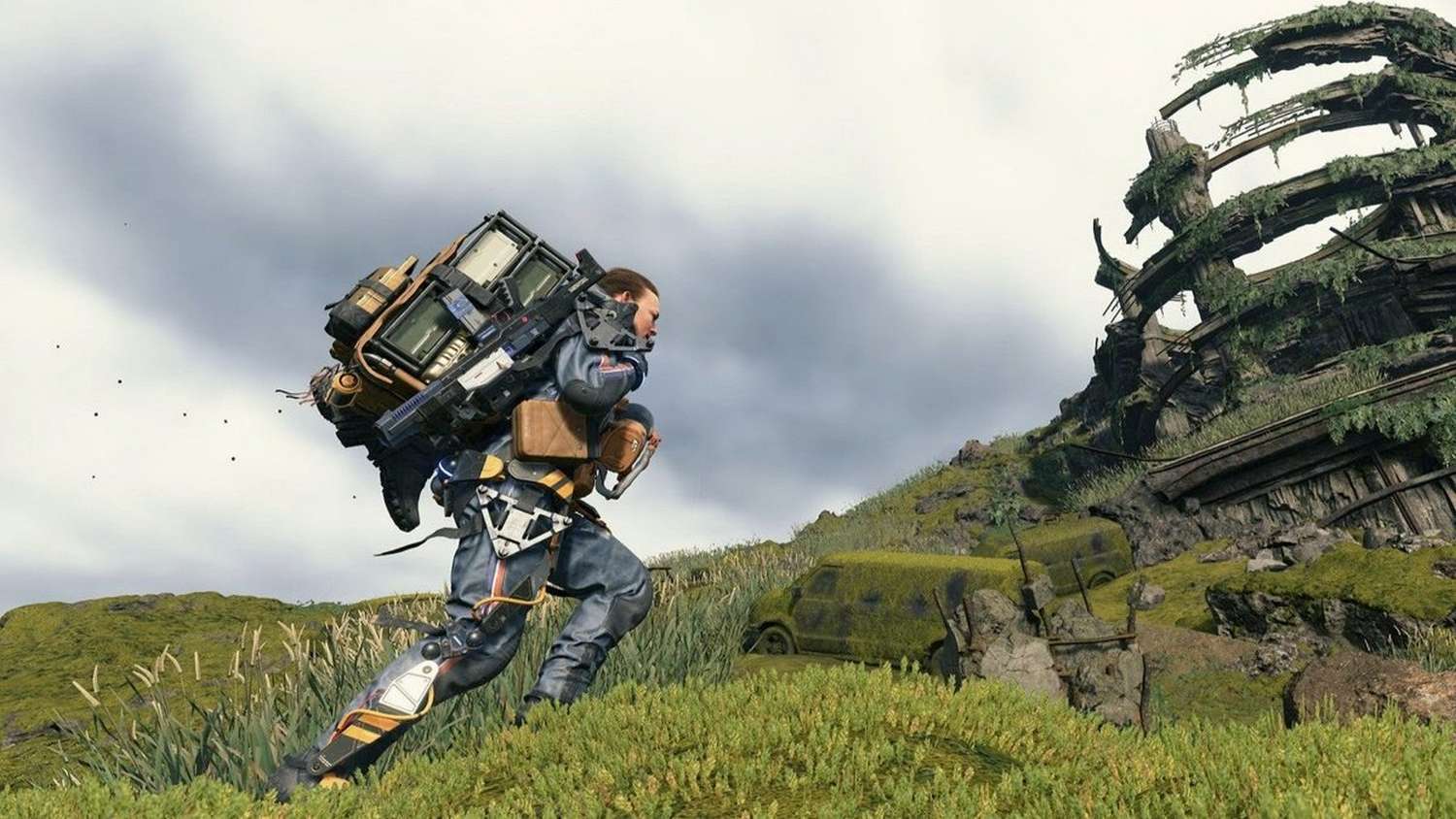
- Medical Exoskeletons: Designed to assist individuals with mobility impairments, helping paraplegics walk again or aiding in rehabilitation for stroke patients. Companies like Ekso Bionics and Rewalk Robotics are leaders in this field, offering FDA-approved devices that significantly improve quality of life.
- Industrial Exoskeletons: Aimed at augmenting human strength and reducing fatigue in demanding labor environments. These range from passive, spring-loaded arm supports for assembly line workers to powered full-body suits for heavy lifting in construction or manufacturing. Firms like Sarcos Robotics and Hyundai’s wearable robot division are innovating here.
- Military Exoskeletons: Under development by defense contractors to enhance soldier capabilities, offering increased endurance, strength for carrying heavy gear, and protection. While still largely in the R&D phase, projects like the US Army’s TALOS (Tactical Assault Light Operator Suit) represent ambitious attempts to create combat-ready exosuits.
These real-world applications demonstrate a clear trajectory towards the kind of human augmentation seen in Death Stranding 2. However, they also highlight the immense complexity and cost involved in bringing such advanced technology to fruition.
The Intricacies of Manufacturing and Research & Development
Developing an exoskeleton that replicates the seamless integration and robust functionality of DS2’s in-game counterparts involves overcoming numerous engineering hurdles. Key areas of significant investment and high costs include: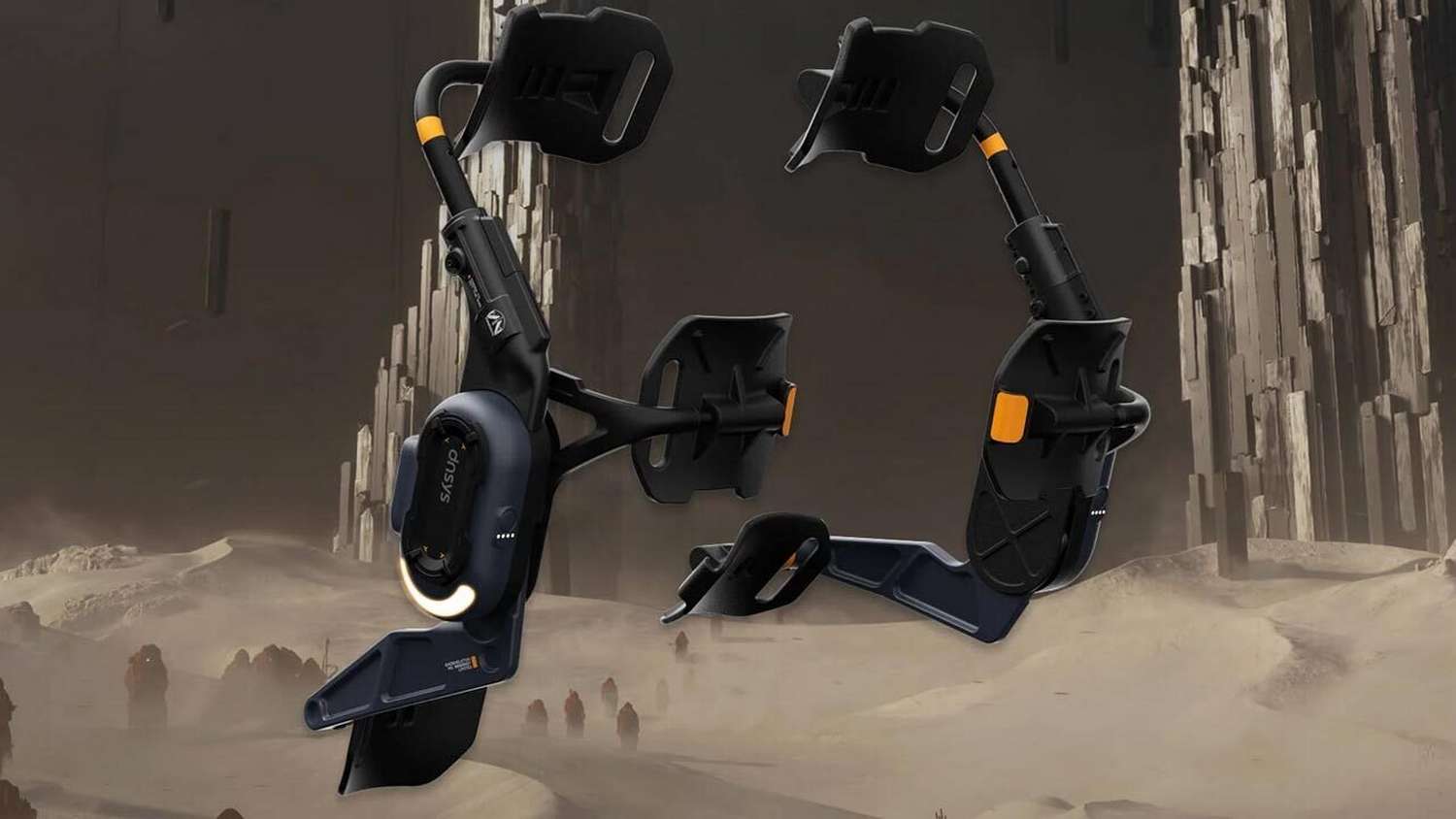
- Advanced Materials: The strength-to-weight ratio is critical. This necessitates the use of expensive composites, aerospace-grade aluminum, or even exotic alloys that provide durability without excessive bulk.
- Miniaturized Power Systems: High-density batteries capable of sustained power output in a compact, lightweight form factor are incredibly costly and are a major area of ongoing research. Energy efficiency and rapid charging remain challenges.
- Sophisticated Actuators and Sensors: Precision motors, hydraulic systems, and an array of sensors (force, position, gyroscopic, accelerometers) are required for fluid, responsive movement and user input. The integration of haptic feedback and real-time biomechanical analysis adds further complexity.