
Dice of Kalma Review: Is This Indie Deck-Builder the Next Premium Mobile Gaming Investment for 2025?










Popular Now
 God of War Ragnarök
 CarX Street
 NBA 2K24
 Toca Boca World
 Candy Crush Saga
 Brawl Stars
Poppy Playtime
Sonic the Hedgehog™ Classic
Brawl Stars
Poppy Playtime
Sonic the Hedgehog™ Classic
 Gacha Club
 Schedule I
 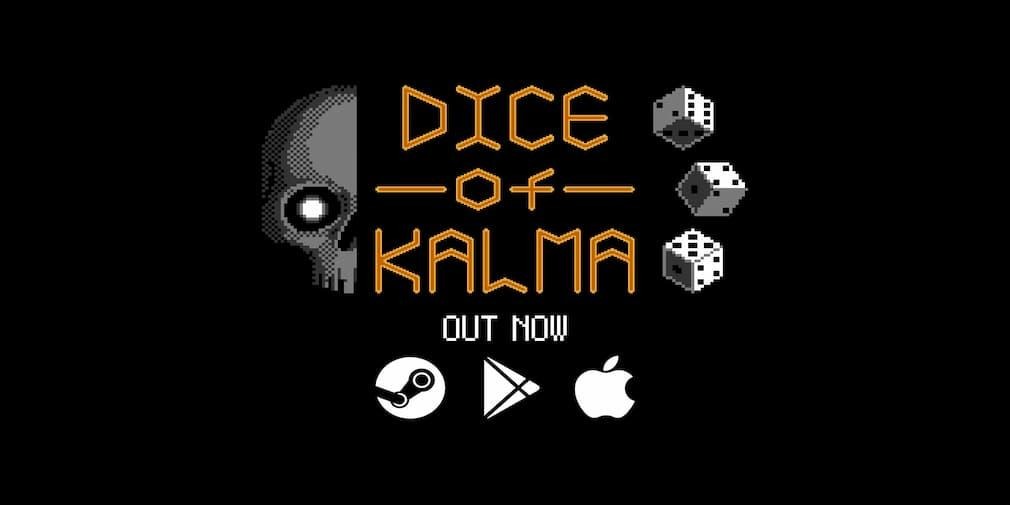 The indie development scene continues its powerful trajectory, offering refreshing counterpoints to the often-monotonous landscape of AAA releases. The latest entry shaking up the roguelike genre is Dice of Kalma. Released by the focused Finnish studio, Pepperbox Studios, in November 2025, this title has quickly garnered attention for its unique blend of minimalist aesthetic and profound strategic depth. Unlike many free-to-play offerings saturated with aggressive monetization, *Dice of Kalma* enters the market as a compelling premium mobile gaming experience, forcing critics and players alike to analyze its value proposition against the industry’s current standards.
In this serious, journalistic analysis, we delve into the core mechanics, scrutinize the developer’s monetization strategy, and determine whether this dice-driven card game offers a worthwhile investment of time and capital in the fiercely competitive 2025 digital entertainment space. Our review concludes that the game’s success is a calculated risk that pays off handsomely for the discerning gamer.
Core Mechanics: Rolling Dice Against the Grim Guardian
At its core, Dice of Kalma is an elegant yet brutal confrontation where the player rolls dice against Kalma, the grim guardian of the Underworld. The game is framed by a continuous cycle of life and death, defined equally by chance and the player’s calculated risk management. This title is fundamentally a roguelike deck-builder, but the familiar genre tropes are brilliantly repurposed.
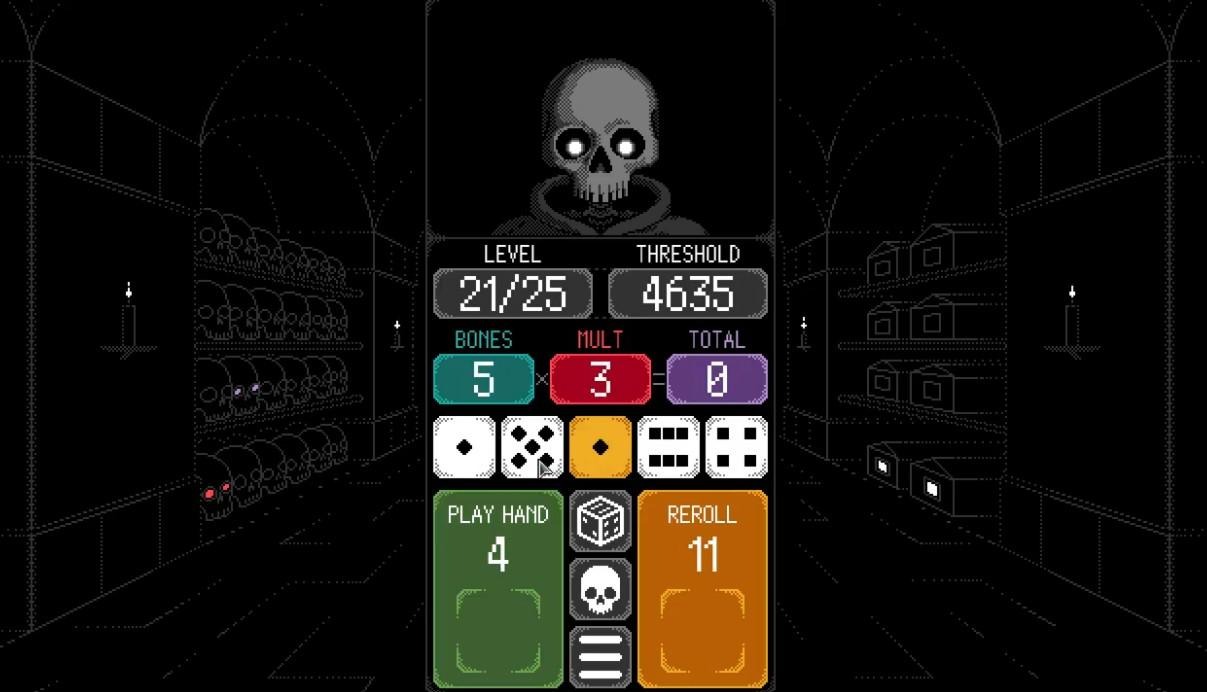
Instead of building a traditional deck of attack or defense spells, the player constructs a deck of “skulls.” These skulls are not resources to be spent, but powerful modifiers, bonuses, and synergy triggers that are activated by achieving specific dice combinations during a “hand.” The game’s complexity arises from optimizing the interaction between these skulls and the luck of the roll, turning apparent misfortune into strategic opportunity.
The primary gameplay loop demands tactical precision:
- Rolling and Rerolling: Players begin each hand with a set of dice. The crucial decision lies in which dice to selectively reroll. Rerolls are a highly limited resource and must be paced strategically across the three allowed hands per level.
- Deck of Skulls: Activating the various skulls in the deck is key. Combinations like straights, pairs, or four-of-a-kind trigger skull effects, generating resources like “Bones” (base score) and “Multi” (multiplier).
- Threshold Management: Every level demands a specific score threshold to be met. Failure to accumulate enough points within the three hands results in a permanent run-ending defeat, forcing the player to master defeat and try again, a hallmark of the genre.
The synergy between rolling, rerolling, and skull activation provides an immense strategic depth that far exceeds the game’s seemingly simple presentation. Players must continuously adapt their deck-building choices—whether to choose skulls that reward risky, high-variance plays or those that provide consistent, low-risk scoring—based on the current run’s challenges.
Monetization Strategy: Why Premium Offers a Higher Investment Value
A central focus of any modern game review must be the developer’s monetization strategy. Dice of Kalma’s choice to be a premium game is a major market differentiator. By opting for a single, upfront purchase price, Pepperbox Studios has positioned the game as a finished, complete entertainment product, diverging sharply from the aggressive, often criticized, “games as a service” model prevalent in the mobile RPG space.
From an investment in entertainment perspective, this model offers several clear advantages for the consumer:
- Transparency in Cost: The clear pricing structure simplifies the consumer’s financial commitment, removing the hidden costs and psychological pressure associated with loot boxes, gacha systems, and endless in-game purchases. This transparency is a highly valued factor in financial news related to digital consumer products.
- Uninterrupted Experience: The absence of mandatory advertisements or pay-walls enhances player immersion and respects the user’s time, which is a key component of quality of life (QoL) in mobile titles.
- Focus on Skill Over Spending: Progress is tied solely to mastery, deck synergy, and calculated risk, not the depth of one’s wallet. This dedication to fair gameplay confirms the title’s status as a genuine indie gem.
 The high replay value, derived from the procedural generation inherent in the roguelike genre and the tactical depth of the skull system, ensures that the initial price is justified many times over. For those seeking long-term, high-quality digital entertainment, this structure is a testament to mobile gaming excellence and offers a solid return on the initial investment.
Developer Commitment and the Critical 1.1.5 Update
The sustainability and perceived value of any newly released software are inextricably linked to the developer’s post-launch support. Pepperbox Studios has demonstrated impressive diligence, evidenced by the swift release of the **Dice of Kalma 1.1.5 update** on November 26, 2025. This patch is critical because its focus was not on adding new ways to charge players, but exclusively on crucial Quality of Life (QoL) improvements—a strong signal of developer commitment.
This news-worthy update directly addresses key feedback points raised by the community following the initial launch, proving the studio is actively listening and responsive. Key strategic enhancements in Update 1.1.5 include:
- Animation Skipping: New options were added to skip dice reroll animations and the score calculation phase. This directly resolves community complaints regarding “sluggishness” after dozens of runs, significantly improving the pace of the game.
- Localization Expansion: The integration of new languages (including Ukrainian, Lithuanian, and Traditional Chinese) expands the game’s potential global market reach and enhances the international value proposition for players worldwide.
- Competitive Integration: The implementation of dedicated Steam leaderboards introduces a powerful competitive edge to the single-player experience, significantly boosting replay value and community engagement. This is a critical investment in the game’s long-term retention metrics.
These focused and pragmatic improvements affirm the studio’s intent to refine the core product into a long-term favorite. Such rapid, player-centric post-launch diligence is highly regarded by journalists and is often the determining factor in a game’s sustainable market presence within the competitive roguelike deck-builder category.
Conclusion: A Calculated Risk Worth Taking in 2025
Dice of Kalma is more than a casual mobile distraction; it is a meticulously crafted exercise in probability, resource management, and strategic adaptation. By choosing the premium game model, Pepperbox Studios has made a calculated statement: they prioritize quality, strategic depth, and a seamless user experience over maximizing short-term monetization. This November 2025 release sets a high bar for independent developers.
For players looking for a challenging, highly replayable roguelike deck-builder that respects their time and wallet, Dice of Kalma is a standout success. It represents a solid investment in entertainment and a vital example of how an indie studio can achieve mobile gaming excellence without resorting to predatory revenue models. The critical consensus remains clear: rolling the dice on Kalma is a risk that yields significant, long-lasting reward.