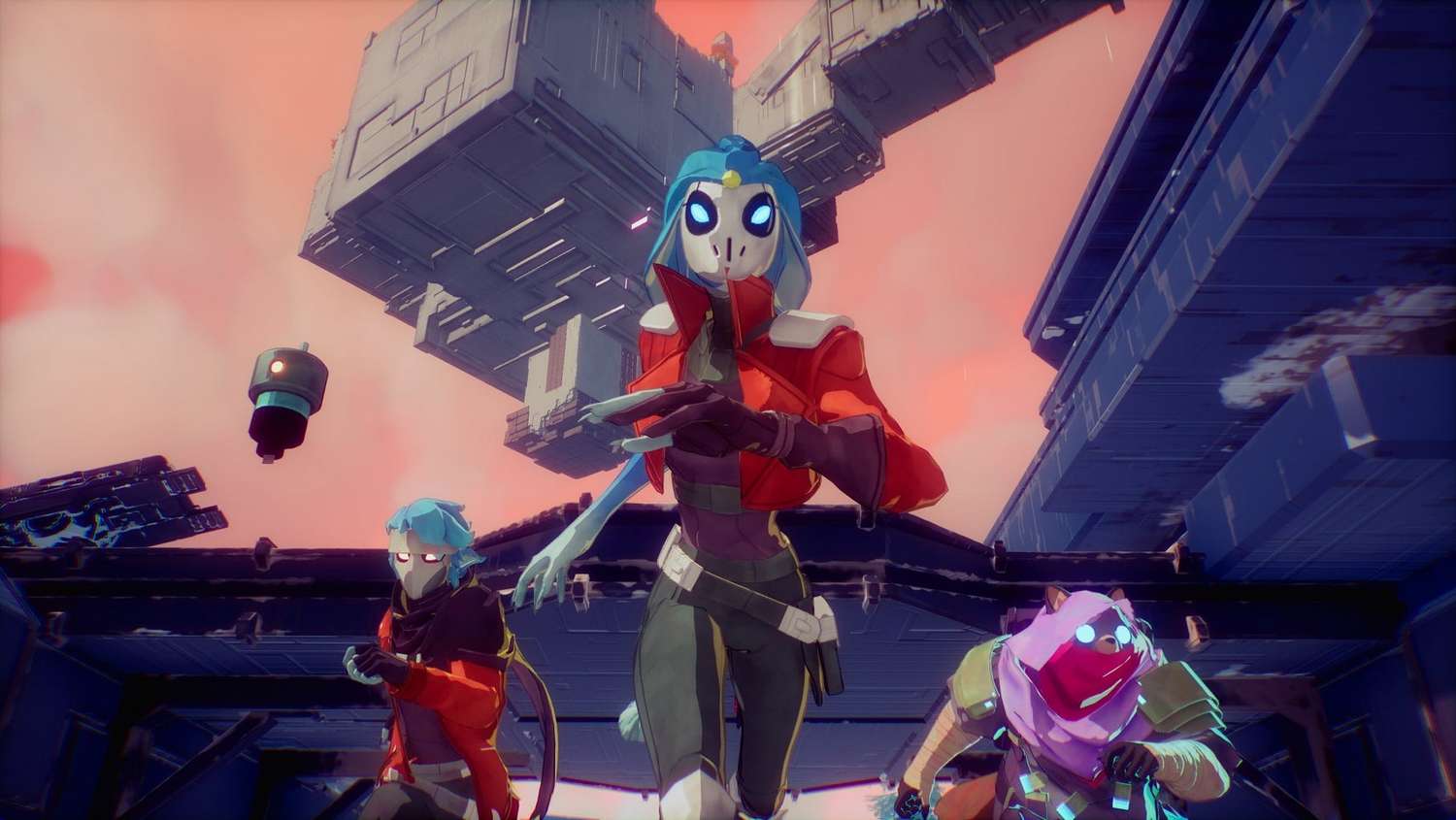
Hyper Light Breaker Review: Lost and Found in Heart Machine’s Expansive Metroidvania









Popular Now
 Grand Theft Auto V
PUBG Mobile
Grand Theft Auto V
PUBG Mobile
 Brawl Stars
 Warframe
 NBA 2K24
 BeamNG.drive
 Genshin Impact
Garena Free Fire: Kalahari
Genshin Impact
Garena Free Fire: Kalahari
 Candy Crush Saga
 EA SPORT FC 25
  Heart Machine’s Latest: A Journey into Labyrinthine Worlds
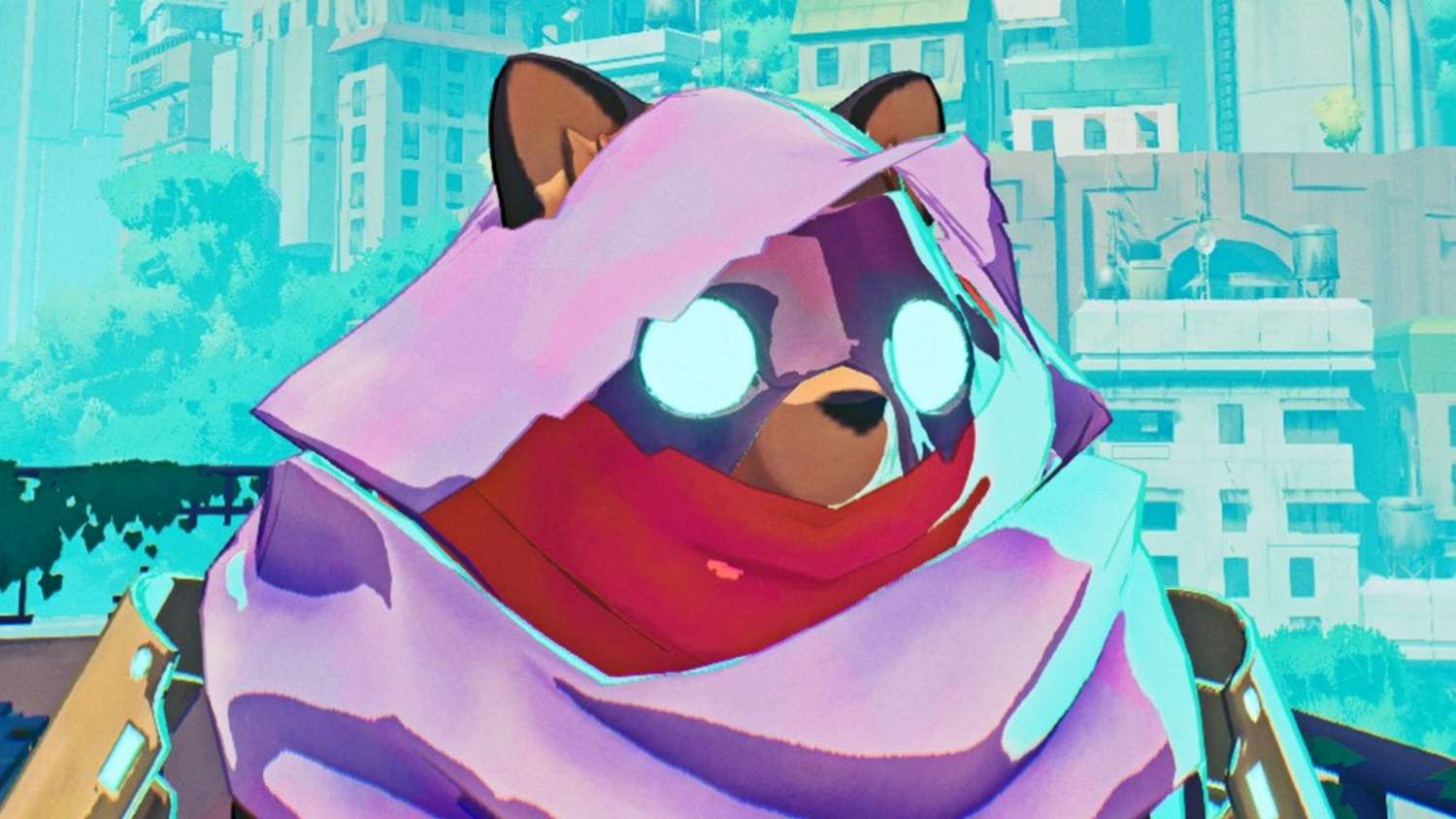 Heart Machine’s Latest: A Journey into Labyrinthine Worlds
From the visionary minds behind the critically acclaimed Hyper Light Drifter comes a new expedition into breathtaking, yet bewildering, territory. Heart Machine, known for its evocative storytelling through environmental design and challenging combat, has unleashed Hyper Light Breaker, a 3D roguelite action-adventure that promises both familiar aesthetic charm and a fresh, expansive world. Yet, for many early adventurers, including myself, the initial foray into its vibrant, fragmented landscapes has been less a guided tour and more a profound exercise in getting hopelessly lost. This review delves into the initial impressions of a game that masterfully blends stunning visuals with a challenging navigation experience, pushing the boundaries of what a modern Metroidvania can be.
As an eagerly anticipated title, Hyper Light Breaker arrives with significant expectations. Its predecessor set a high bar for atmosphere, challenging gameplay, and a unique approach to narrative. With Breaker, Heart Machine pivots to a 3D environment, introducing elements of roguelite progression and expansive, procedurally generated worlds that demand deep exploration. This shift in perspective and scope naturally leads to a different kind of challenge, one that tests not only players’ combat prowess but their spatial reasoning and patience in an uncharted universe.
The Legacy and Evolution of the Hyper Light Universe
Heart Machine’s reputation was cemented by Hyper Light Drifter, a game celebrated for its exquisite pixel art, tight combat mechanics, and enigmatic lore. The transition to 3D for Hyper Light Breaker is a bold move, retaining the vibrant color palettes and striking character designs while expanding the world into a new dimension. Players familiar with the previous title will immediately recognize the distinct visual language and the haunting, ethereal soundtrack that accompanies their journey. However, the gameplay loop and world structure are decidedly different, leaning heavily into roguelite cycles and a more open-ended exploration model.
The narrative, much like its predecessor, remains largely implicit, inviting players to piece together the story of the Overgrowth, a decaying world on the brink of collapse. As a Breaker, your mission is to delve into these unstable lands, confront colossal creatures, and uncover the secrets that threaten to consume everything. This premise provides a compelling backdrop for endless exploration, but it’s the execution of this exploration that truly defines the early gaming experience.
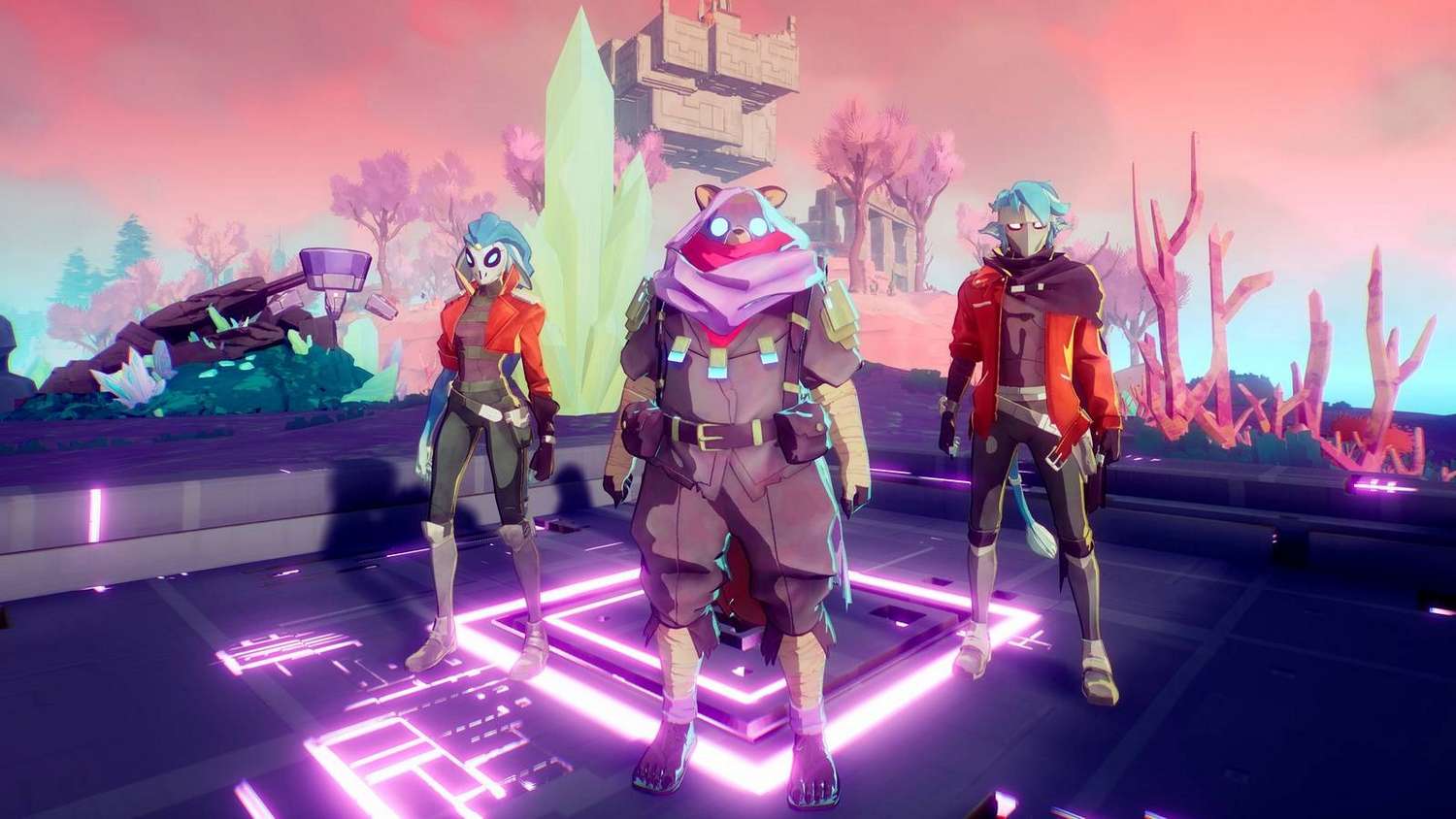
Navigating the Sunken Lands: A Beautifully Brutal Maze
From the moment you step into the procedurally generated biomes of Hyper Light Breaker, the sheer scale and visual splendor are undeniable. Each zone is a tapestry of glowing flora, crumbling architecture, and dynamic environmental hazards. However, this beauty often masks a profound sense of disorientation. The game offers minimal hand-holding, a characteristic shared with Drifter, but amplified by the 3D space and the roguelite structure where each run presents a new layout.
Players are tasked with traversing these expansive zones, seeking out objectives, activating pylons, and ultimately confronting powerful bosses. The lack of a mini-map in the traditional sense, coupled with towering verticality and intricate hidden paths, means that genuine navigation skills are paramount. It’s an approach that hearkens back to classic Metroidvania games where players were expected to commit layouts to memory and rely on environmental cues. For some, this will be an exhilarating challenge, fostering a true sense of discovery. For others, particularly those accustomed to modern game design’s more direct navigation aids, it can quickly lead to frustration and the feeling of being utterly lost.
- Verticality: The world design heavily utilizes vertical space, encouraging the use of the glider and wall-running, but also making it easy to lose your bearings from a birds-eye perspective.
- Procedural Generation: While offering replayability, the constantly shifting layouts contribute significantly to the sense of an uncharted maze on each run.
- Environmental Storytelling: Clues for progression are often subtle, woven into the environment, requiring keen observation.
Combat and Progression: Sharpening Your Blade in the Chaos
While exploration might be the primary source of player perplexity, Hyper Light Breaker’s combat system is its undeniable anchor. It’s fast-paced, fluid, and demands precision, much like its predecessor. Players have access to a variety of melee weapons, ranged attacks, and powerful abilities that can be swapped and upgraded between runs. The dodge mechanic is crucial, offering both evasive maneuvers and opportunities for tactical repositioning against hordes of aggressive enemies.
Progression is a multi-layered affair. While individual runs see you collecting temporary upgrades and currency, a persistent hub world allows for permanent unlocks, new weapons, and character enhancements. This meta-progression loop is essential for powering up your Breaker and making subsequent runs more manageable. Mastering the combat is vital, as the game’s difficulty curve can be steep, especially when encountering elite enemies or new boss encounters for the first time. The blend of satisfying hack-and-slash action with strategic ranged options provides a rewarding combat experience, even amidst the navigational woes.