
Leaked Screenshots Confirm Canceled God of War Multiplayer Project’s Stunning Return to Ancient Greece








Popular Now
PUBG Mobile
 NBA 2K24
 Brawl Stars
 Toca Boca World
 League of Legends
 Auto X Drift Racing 3
 Schedule I
 Valorant
 CarX Street
 Minecraft
 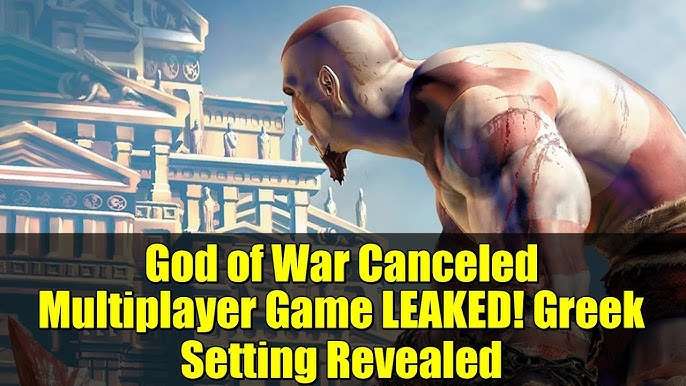 The gaming news world is abuzz this week as a trove of development screenshots, purportedly from a cancelled God of War multiplayer project, have surfaced online. The images offer the first concrete look at a live-service title developed by Bluepoint Games, a studio acclaimed for its high-fidelity remakes, and confirm a long-held fan speculation: the game was set to take the franchise back to the blood-soaked marble of Ancient Greece.
This major leak provides a rare glimpse into a high-profile, unreleased project, which was reportedly among the live-service games recently cut by PlayStation following a strategic review. For fans of the series, the images are a bittersweet revelation, showcasing a visually ambitious return to the setting of Kratos’s original trilogy after the critical success of the Norse saga.
 Unmistakably Greek: The Visual Evidence
 Unmistakably Greek: The Visual Evidence
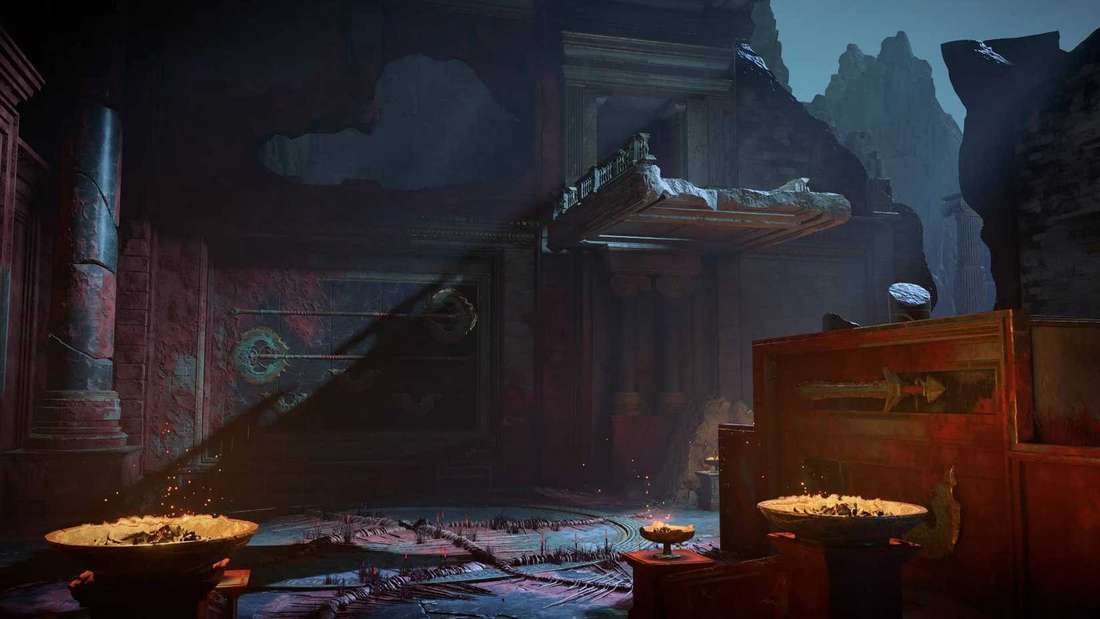
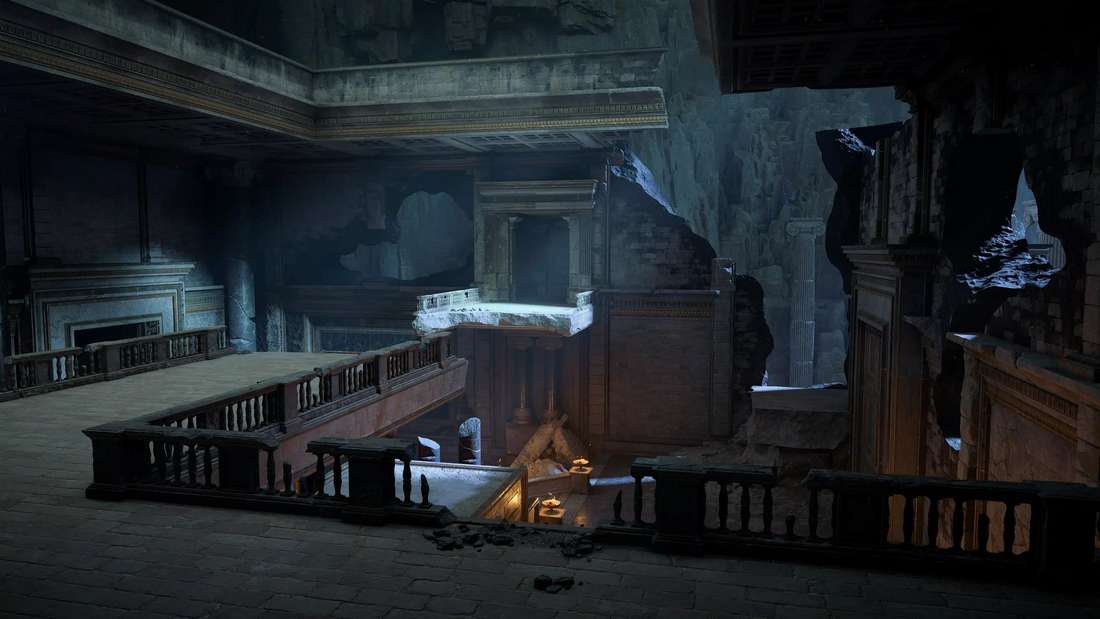
The leaked screenshots, first shared by MP1st, leave little doubt about the setting. The environment renders feature a strong emphasis on Greek mythology and architecture:
- Classic Architecture: Images display crumbling temples, colossal stone columns, and grand facades instantly recognizable from the original God of War games. The aesthetic is a dramatic shift from the frost-bitten, forested realms of Midgard and the other Norse realms.
- Ancient Artifacts: Detailed 3D assets, including Greek pottery and ornately designed vases, are scattered throughout the environments, adding a layer of authenticity and visual fidelity.
- Diverse Locations: The screens show a variety of locations, including open courtyards, densely forested ruins, and underground caverns glowing with sulfur pools—evoking the treacherous landscapes of the Underworld.
These early-stage renders underscore the sheer development value and visual quality Bluepoint Games was aiming for, demonstrating their expertise in crafting highly detailed, atmosphere-rich worlds. The environments appear designed to accommodate multiple players, suggesting the wide-scale arenas necessary for a modern multiplayer video game.
The Role of Hades and the ‘Cursed’ Mechanic
Perhaps the most compelling details in the leak concern the potential gameplay and narrative elements, which hint at a bold expansion of the God of War IP:
- Hades’ Armory: A prominent area shown in the leaks is explicitly referred to by the source as “Hades’ Armory.” This suggests a significant role for the God of the Underworld, a major antagonist in the original trilogy. His presence raises questions about the game’s timeline, potentially placing it before his canonical demise in God of War III, or introducing a non-canonical, multiplayer-specific narrative. This link to a classic villain adds significant SEO value for dedicated series fans.
- Environmental Curses: Several comparison shots reveal the same location in two different states: ‘normal’ and ‘cursed.’ The cursed version is depicted with a striking, corrosive red filter, coating the environment like a viral infection or rust. This mechanic could have played a crucial role in the gameplay, potentially acting as a dynamic hazard, a temporary map alteration, or a form of battle royale-style shrinking zone.
The potential for a PvP arena or a persistent world with shifting environmental conditions suggests the title was conceived as a serious contender in the highly competitive live service gaming market. The cancellation is a blow to the concept of expanding the franchise into this new, profitable sphere.
The Future of God of War and High CPC Keywords
 The Future of God of War and High CPC Keywords
The abrupt cancellation of this project, along with a separate title from Bend Studio, reflects a broader, industry-wide re-evaluation of the long-term viability and high cost per click (CPC) associated with developing massive live-service experiences. While the game itself may be lost, its assets and the clear Greek setting have sparked immediate speculation:
The revelation that Bluepoint was working extensively with Greek assets has reignited the intense fan demand for a remake of the original God of War—a project perfectly aligned with the studio’s celebrated history of revamping classic titles like Demon’s Souls and Shadow of the Colossus. The groundwork laid for the multiplayer game could conceivably be leveraged for a full, single-player action-RPG experience, offering a significant return on the sunk development cost.
For now, these leaked screenshots serve as a poignant reminder of a lost opportunity to revisit Kratos’s earliest battles in a visually stunning, next-generation Greek world. They solidify the fact that the God of War franchise remains a pillar of PlayStation Studios, with fans eager for any official news on its next direction—whether that be an eventual Egyptian or Mayan setting, or a return to the roots of the mythic Greece that started it all.
The core message remains clear: the visual fidelity and conceptual ambition of this cancelled project suggest Sony is highly invested in exploring every avenue for its high-value IP. The market awaits the next official PlayStation exclusive with bated breath.
Industry Reaction and The Live-Service Strategy
The news has generated significant discussion within the video game industry, highlighting the difficulties even major publishers face in launching successful new game-as-a-service titles. Sony’s decision to cancel the project indicates a pragmatic shift, prioritizing proven single-player narratives, which have consistently provided exceptional return on investment (ROI) for the franchise.
The fate of Bluepoint Games, however, remains bright. Recent job listings indicate the studio is now focusing on a new “third-person melee action” title, a genre that aligns perfectly with their demonstrated expertise. Whether this new project will secretly incorporate some of the cancelled Greek elements, or launch a wholly new IP, is the next major question for gaming news outlets.
The entire episode is a case study in modern game development economics, where a lack of confidence in long-term player retention and potential revenue streams can shutter even a project tied to one of the biggest names in console gaming.