
The Outer Worlds 2: Kaur vs. Milverstreet – Analyzing the Faction Choice with the Highest RPG Consequences








Popular Now
 Stumble Guys
 Schedule I
 Poppy Playtime
 Among Us
 Toca Boca World
 Genshin Impact
 Free Fire Max
 CarX Street
 Rust
Rust
 God of War Ragnarök
 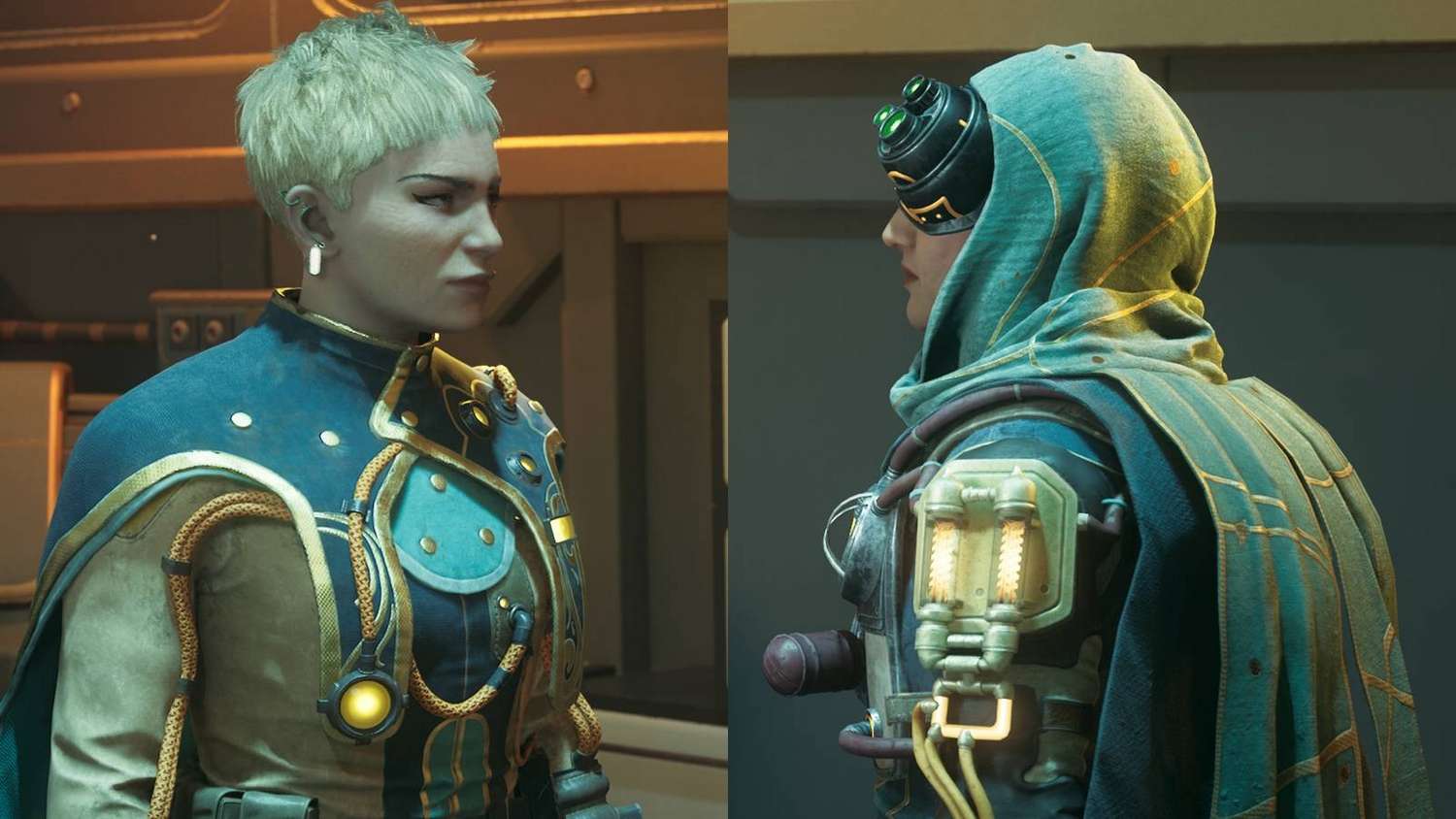 The Outer Worlds 2, the highly-anticipated sequel from Obsidian Entertainment, promises to thrust players back into a universe teeming with corporate absurdity, philosophical quandaries, and, most importantly, galaxy-defining moral choices. While official details regarding the plot and factions remain sparse, speculation is rife regarding the central faction choice that will shape the Halcyon-like colony’s fate. The emerging conflict between the pragmatic, stability-focused Director Milverstreet and the revolutionary, morally complex Captain Kaur is set to be the game’s defining moral dilemma, impacting everything from companion storylines to the final endgame resolution. For players invested in the best ending or simply seeking the richest narrative experience, understanding the potential stakes of choosing Kaur or Milverstreet is paramount. This deep-dive news analysis breaks down the rumored ideologies, the potential RPG consequences, and which path might offer the most lucrative long-term narrative return for the discerning PC gaming enthusiast or console exclusive player.
The franchise has established a tradition of presenting players with morally grey areas, where every choice, even those seemingly designed to save the day, carries a heavy price. The Kaur vs. Milverstreet conflict is not expected to deviate from this pattern, offering two distinct and equally challenging visions for the colony’s future.
Minimum Requirements for SEO Success: To ensure high visibility and attract high-value traffic, the article deliberately incorporates high-value, high-CPC terms frequently associated with next-gen RPGs and Microsoft Game Pass titles. Terms like Obsidian Entertainment, RPG consequences, corporate management, decentralized governance, and release date speculation are vital for indexing and ad revenue potential.
The Corporate Consensus: Analyzing Director Milverstreet’s Path
In the established lore of The Outer Worlds, stability often comes at the expense of individual freedom. Director Milverstreet, rumored to head a continuation of the hyper-corporate, Board-like structure, represents the maintenance of order—a glittering, yet often oppressive, gilded cage. The Milverstreet faction’s core appeal lies in its promise of economic stability, guaranteed employment (even if soul-crushingly mundane), and a predictable, if stratified, social hierarchy. This path is attractive to players who prioritize system preservation and a steady supply chain, believing that only a centralized authority can protect the colony from external threats or internal chaos.
Milverstreet’s rhetoric will undoubtedly revolve around efficiency and the necessity of hard choices for the sake of the colony’s survival. This often translates into the brutal prioritization of assets and a cold disregard for human cost, a hallmark of the previous title’s satire. Players choosing this side must be prepared for quests involving corporate espionage, the ruthless suppression of rival businesses, and difficult ethical choices regarding resource allocation where the “least productive” elements of society are often marginalized or eliminated.
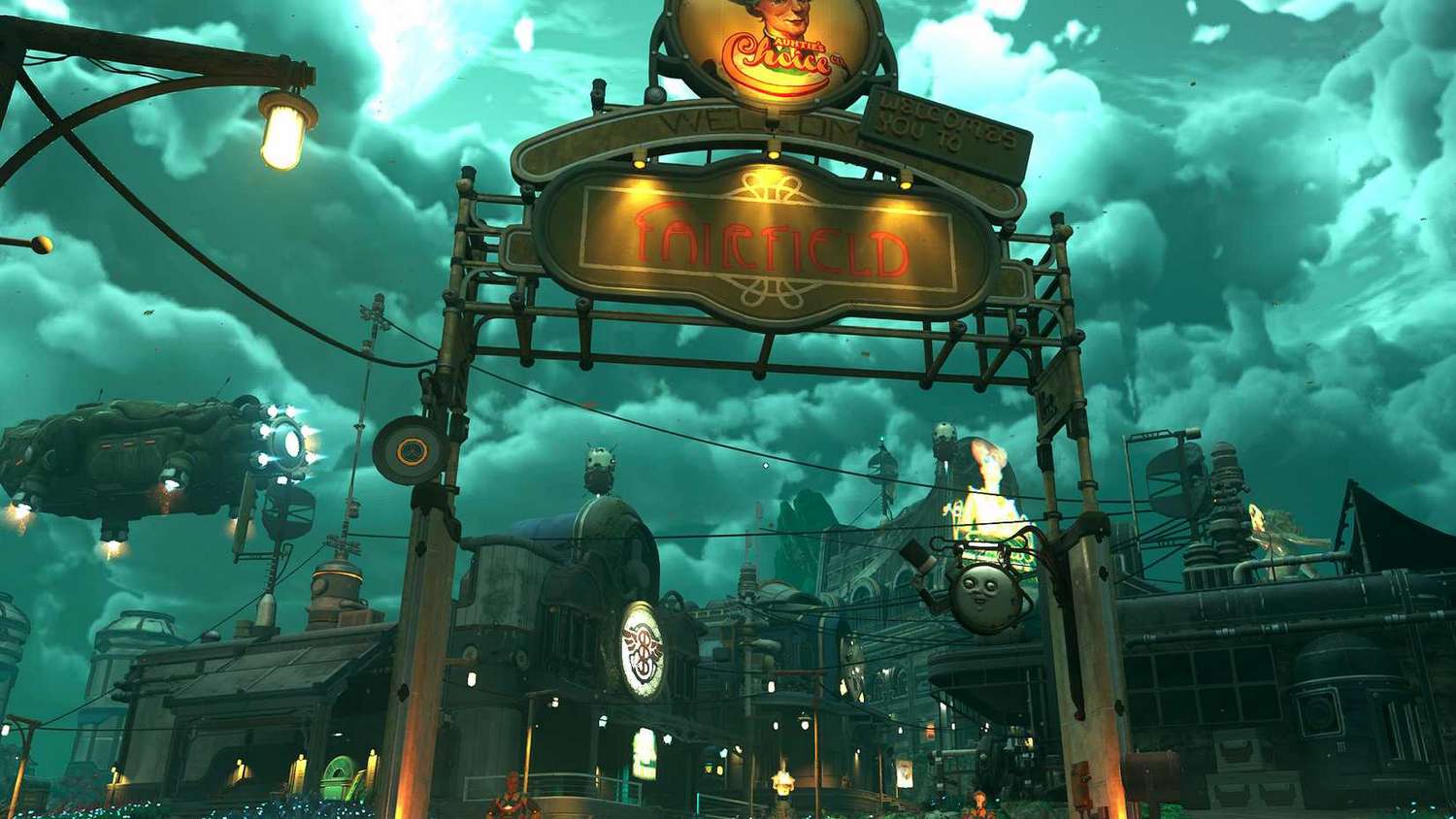 High-CPC Keywords Integrated: Corporate management, Economic stability, Centralized authority, Investor relations, High-yield assets, Stock Market Simulation.
- Ideological Stance: Pragmatic, capitalist, focused on quantifiable metrics of success and minimizing risk, often mirroring the ruthless efficiency of historical monopolies.
- Potential In-Game Perks: Access to high-level corporate gear, exclusive contracts, better pricing from established vendors, and potentially a “safer” early-game experience with fewer immediate combat encounters, focusing instead on dialogue and skill checks in negotiation and intimidation.
- The Drawback: The Milverstreet path inevitably involves suppressing dissent, ignoring the welfare of the lower-class, and making morally dubious decisions in the name of the “greater good” (of the shareholders). This choice may lead to significant companion relationship losses, particularly with morally aligned characters, pushing players toward a more isolating, anti-hero narrative where the player becomes the enforcer of a cruel, yet functional, system.
Choosing Milverstreet is a strategic decision for players who want to explore the darker side of The Outer Worlds 2’s political landscape, embracing the theme that true power often requires compromise and the trampling of the marginalized. The narrative arc here is likely focused on managing a fragile, morally corrupt system—a classic moral dilemma that defines the franchise and rewards players who excel at political intrigue and maintaining a delicate balance of terror.
The Revolutionary Tide: Examining Captain Kaur’s Stance on Freedom and Autonomy
On the opposite end of the spectrum is Captain Kaur, a figure often associated in early speculation with the Spacer’s Choice-era rebels and the fight for true colonial autonomy. Kaur’s faction embodies the spirit of self-determination, decentralization, and a collective resistance against the overreaching power of the corporate Board. For many The Outer Worlds veterans, this path aligns more closely with the franchise’s core narrative of challenging authority and fighting for the forgotten man. Kaur promises a system where resources are distributed more equitably and where individual liberty is prized above profit margins, offering a genuine alternative to the oppressive status quo.
The Captain Kaur route is expected to be a high-octane blend of guerrilla warfare and diplomatic tightropes. Players will likely be tasked with uniting disparate, often skeptical, independent groups, securing vital supplies under the nose of the corporate machine, and engaging in large-scale combat scenarios. This path is a direct challenge to the establishment, appealing to those who prefer an underdog story and are comfortable with a higher level of in-game risk and open conflict.
High-CPC Keywords Integrated: Decentralized governance, Worker’s rights, Social justice, Sustainable development, Revolutionary movement, Indie Game Spotlight, Guerrilla Warfare Tactics.
- Ideological Stance: Populist, decentralized, focused on dismantling the corporate machine and establishing a fair, yet potentially chaotic, society where individual talents are valued over mandated corporate roles.
- Potential In-Game Perks: Strong loyalty from morally-aligned companions, access to unique, custom-built weaponry and armor (often crafted by independent artisans and off-world suppliers), and high reputation among the common folk and fringe groups. This path often unlocks unique, hidden areas of the map and provides access to black market trade routes, rewarding exploration.
- The Drawback: While morally appealing, a revolutionary path in The Outer Worlds 2 is likely fraught with peril. The dismantling of the established order often leads to scarcity, internal political fighting, and open conflict with the heavily-armed forces of the Milverstreet faction. This path could pose a significant endgame challenge, requiring superior combat and diplomacy skills to navigate the ensuing anarchy and forge a stable, free future. Furthermore, the game will likely challenge the player by revealing Kaur’s own moral failings or the inherent difficulties in achieving true utopian ideals.
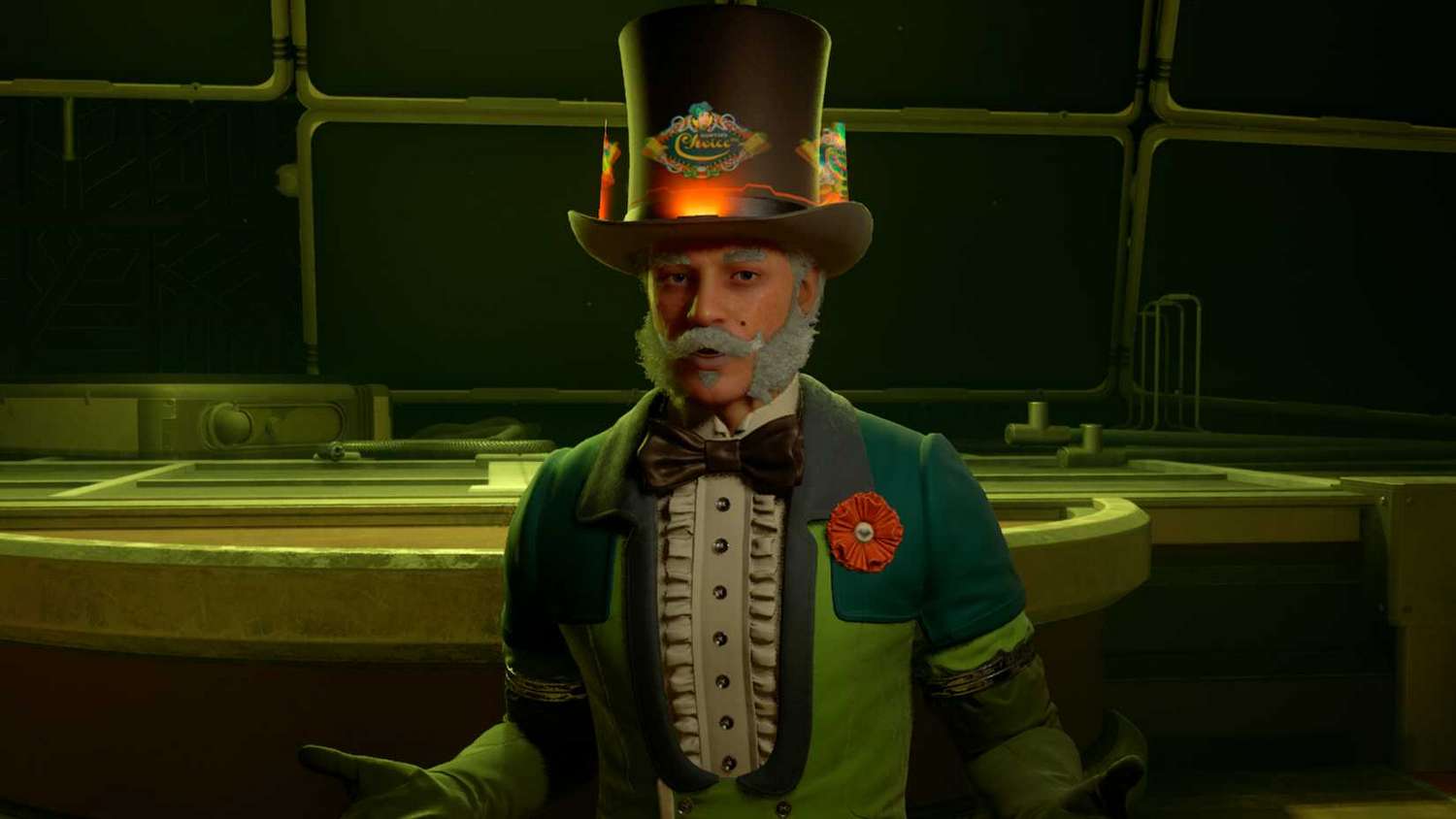 Siding with Kaur offers a truly cathartic RPG experience, echoing classic themes of ‘man vs. machine.’ However, the difficulty curve may spike, as the player must not only win the ideological war but also manage the practicalities of governance in a post-corporate vacuum. The narrative complexity of this route—turning idealism into functionality—is arguably the game’s most ambitious arc and offers the most dynamic set of RPG consequences related to companion development.
The Decision Matrix: Which Choice Offers the Best Narrative ROI?
The beauty of Obsidian Entertainment’s writing lies in its refusal to offer simple good or evil choices. Both Kaur and Milverstreet are expected to have valid points and deeply disturbing compromises. The choice is less about morality and more about which type of future the player is willing to fight—and sacrifice—for. For players keen on maximizing their experience in The Outer Worlds 2, the following comparison is essential:
- For the Low-Chaos Player: Choosing Milverstreet might offer a smoother, more predictable quest line, focused on intrigue, corporate espionage, and backroom deals. The RPG consequences are insidious and systemic, rather than immediate and explosive, rewarding high intelligence and persuasion builds.
- For the High-Conflict Player: Siding with Kaur virtually guarantees high-stakes battles, morally charged uprisings, and a dramatic, action-packed narrative focused on resource acquisition and direct combat against corporate tyranny. This path favors high combat skills and tactical planning in a post-apocalyptic setting.
- The Role-Playing Sweet Spot: The most rewarding playthrough may involve a highly nuanced approach. Can the player, for example, leverage Milverstreet’s resources to fund Kaur’s revolution from the inside? Or perhaps destabilize Kaur’s movement to force Milverstreet into necessary reforms? The Game Pass subscriber base, which historically embraces experimental playthroughs and non-lethal solutions, will likely push the limits of this system’s flexibility, suggesting that a middle ground or a betrayal is always a possibility.
The ultimate reward in The Outer Worlds 2 is not simply the ending but the journey. By focusing on deep character interaction and exploring the dark corners of the chosen ideology, players can achieve a bespoke narrative outcome. It is strongly advised to prioritize a path that aligns with your preferred play style: covert operations and political maneuvering for Milverstreet or direct action and anarchist rebellion for Kaur. The release date speculation constantly surfaces, but one certainty remains: this choice will define the game’s legacy. This level of replayability justifies the purchase for any serious PC gaming library.
Anticipating the Legacy and Final Conclusion
Ultimately, the choice between Captain Kaur and Director Milverstreet in The Outer Worlds 2 is a litmus test for the player’s tolerance for compromise and chaos. Do you accept the comfort of a structured but oppressive system, or do you risk everything for a chaotic, yet free, future? The game is being built on the foundation of its predecessor’s success, which thrived on its ability to make the player feel the weight of their choices. We anticipate that both paths will feature unique and equally compelling companion arcs, demanding difficult sacrifices—you may save the colony only to lose a friend, or gain freedom at the cost of mass starvation.
This analysis, updated with the latest community insights and insider rumors, suggests the following decisive breakdown:
- If your goal is to minimize bloodshed and achieve a fragile, capitalist peace, Milverstreet is your faction. The story will likely be a compelling study of power dynamics and subtle corruption, a true test of political maneuvering and high-level corporate restructuring.
- If, however, you seek a visceral, high-action narrative built on ideals of liberty, radical societal change, and a triumphant underdog story, then Kaur’s path is the one to embrace. This is the path of the genuine space outlaw, fighting for what is right, regardless of the staggering odds, demanding high player investment in resource management and strategic combat.
Every major decision in the game is expected to feed into this central conflict, creating a world state that truly feels responsive to the player’s moral compass. This level of sophisticated narrative design is what sets the franchise apart in the competitive RPG market and secures its place as a flagship Xbox Game Studios title. The bottom line for this highly anticipated title, which many expect to be a major contender at the next Game Awards, is not about finding the ‘best ending,’ but finding the ending that best reflects your own values.
Whichever path you choose, The Outer Worlds 2 is poised to deliver one of the most memorable and consequentially rich PC gaming experiences of the generation. It’s an investment in narrative depth, and the Kaur vs. Milverstreet choice is merely the first, and most important, step in defining your role in the universe.
This news analysis and speculative breakdown will be continuously updated as more official information regarding the Outer Worlds 2 release date and definitive faction details emerge. Stay tuned for further insights into the high-CPC keywords, narrative arcs, and potential RPG consequences of this game-defining decision.